Kaviarasar Kannadasan’s brilliance in using stories from Puranas in film songs

In my last two blogs on  the legendary poet and lyricist Kaviarasar ( King among poets) Kannadasan, I had covered ten songs that were extraordinary in terms of the word plays he had used and also his inimitable skill in conveying philosophical thoughts in a simple language that anyone would  understand.

In this third blog ,once again I am selecting only five songs that have some reference to stories and characters from our Puranas like Ramayanam and Mahabharatam. It may not be a surprise if all these songs had been from mythological films ; Kannadasan’s brilliance was to use them in social films ! Except for one song all the other four songs I have selected here are with social themes. Relating the situation and characters in these films to the incidents and characters in our  ancient texts was something that fascinated me for some time and so I thought of writing on this. Among all civilizations in the world , we have an ocean of puranas and Kannadasan, who starting  off as an atheist,  became a staunch believer and wrote about our ancient literary works and puranas  and also extensively quoted from them in his songs.

For quite some time I have been thinking that whenever I write primarily about the beauty of the lyrical aspects of a song, especially from my native language  , Tamizh , it may be more apt if I write in that language as it captures the beauty better. With some apprehensions  I have attempted this , as I had studied that language formally only up to my fifth standard!  With my very limited knowledge of Tamizh , I have done this and seek readers’ pardon for any mistakes in grammar / syntax. I am providing the link to that here and in case anyone would like to continue to read this in Tamizh, can click the link.

For the other readers who cannot read the Tamizh script , here is my usual English version.

(1) Isai Tamizh Nee Seida -Thiruvilayadal-1965-K V Mahadevan-T R Mahalingam

The film Thiruvilayadal is immortal due to the excellent story-telling, acting,  music , singing and last but not least the poetry by Kannadasan.

The film narrates the various ‘leelas’ , i.e divine plays by Lord Shiva. In one of the stories , He brings down the ego and arrogance of a singer Hemanatha Bhagawatar  who challenges the Pandya king for someone from his kingdom to compete with him in singing and defeat him. If they fail to do so, he asks for the entire kingdom to be given to him. The worried king asks Bhanabattar who is an ardent devotee of Lord Shiva and primarily sings devotional hymns in the temple. The hapless Bhanabattar, wondering how he can defeat that Bhagawatar,  pleads before Lord Shiva with the song Isai Tamizh Nee Seida Arum Sathanai , the first song that I have listed here.

Kannadasan brilliantly refers to three different stories from ancient texts in which Lord Shiva had helped his devotees and Bhanabhattar pleads to Him to come to his rescue in a similar way to help him compete with the arrogant Hemanatha Bhagawatar and defeat him.

சிவலிங்கம் சாட்சி சொன்ன கதையும் பொய்யோ

மாமன், திருச்சபை வழக்குரைத்த முறையும் பொய்யோ?
பிட்டுக்கு மண்சுமந்து பிரம்படி பட்ட உன்னை
பேசும் தமிழ் அழைத்தும் வாராதிருப்பதென்ன?

Sivalingam Saatchi Sonna Kathayum Poyyo?

Maman Tiruchabai Vazahakkuraitha Murayum Poyyo?

Pittukku Mann Sumanthu Pirambadi Patta Unnai

Pesum Tamizh Azhaithum Varadiruppathenna?

Rough translation:

“Was the story about Sivalingam giving evidence false?”

“Was the story about how a maternal uncle came to a village court and  resolved a property dispute also false?”

“ You had borne a beating for the sake of having Pittu/Puttu ( a sweet dish made of rice flour and jaggery) 

“Why are you not coming to my rescue like you did in those stories despite me-a person who has always been saying hymns in Tamizh in your praise?

Let me try to summarize the three stories narrated in those lines.

First story- Sivalingam Saatchi Sonna Kathai

A merchant named Arathana Guptan, living in Madurai, learns of the death of his sister and her husband in Kaveri Poompattinam, leaving behind their daughter Rathnavalli. Wishing to fulfil his sister’s desire, he decides to marry Rathnavalli. However, while travelling to Madurai, he is bitten by a poisonous snake and dies. Thiru Gyanasambandar, a great devotee of Lord Shiva, prays to the Lord, who miraculously brings the merchant back to life. He then arranges the marriage of Arathana Guptan and Rathnavalli in the presence of Lord Shiva, a well and a Vanni tree as witnesses. When the merchant’s first wife disputes the marriage, the matter is taken to the king’s court. There, Lord Shiva, the well and the Vanni tree appear as witnesses and confirm the marriage. The first wife of the merchant accepts this and they live peacefully.

Second  story-Maman Tiruchabai Vazahakkuraitha Murai

A wealthy merchant named Dhanapati and his wife Susheela, who had no children, adopted his sister’s son as their own. Following a quarrel, Dhanapati’s sister insulted the couple, saying that they depended on her son for their salvation. Hurt by her words, the couple gave away their wealth to the adopted son and retired to the forest. Later, the sister lost all the property to other relatives and realized her mistake. She prayed to Lord Shiva for help. Following a divine instruction, she approached the village court, where Dhanapati appeared and confirmed that her son was the rightful heir. When everyone doubted whether this was really Dhanapati or some imposter, he proved his identity by recalling the names of relatives and details of his property. The court ruled in her favour. Soon after, Dhanapati disappeared, revealing that he was none other than Lord Shiva, who had appeared in the form of the boy’s maternal uncle to deliver justice.

Third  story- Pittukku Mann Sumanthu Pirambadi Patta kathai

Vanthi, an elderly and poor woman in Madurai, was a devoted follower of Lord Shiva who earned her living by making and selling pittu. When the Vaigai River flooded, King Arimarthana Pandya ordered every household to strengthen the riverbanks. Unable to complete her share of the work due to her old age, Vanthi prayed to Lord Shiva for help. Moved by her devotion, Lord Shiva appeared as a young boy and offered to help in exchange for pittu. However, instead of working, he spent his time eating and playing. Angered by this, the king struck the boy with his cane. Miraculously, the impact was felt by the king, his officials and every living being. Everyone then realised that the boy was Lord Shiva himself. The Lord revealed His divine form, blessed Vanthi and took her to Shivaloka.

Only an extra-ordinary lyricist can so beautifully bring in three different stories in three lines !

I should also not forget to mention the amazing composition by K V Mahadevan and extra-ordinary singing by the legendary actor-singer T R Mahalingam.

(2) Neeyum Naanuma Kanna-Gauravam-1973-M S Vishwanathan-T M Soundrarajan

The next song I chose is from the acclaimed film ‘Gauravam’, in which veteran actor Sivaji Ganesan plays a dual role. In the film, Sivaji Ganesan portrays a lawyer who raises his brother’s son ( also played by him)  as his own, eventually shaping him into a successful lawyer. In one sequence, a younger Sivaji Ganesan appears as a lawyer arguing against an older Sivaji Ganesan in a courtroom. This is the context for this song.

In this song, Kannadasan refers to two stories from our Puranas.

அறிவைக் கொடுத்ததோ, துரோணரின் கௌரவம்

அவர் மேல் தொடுத்ததே அர்ஜுனன் கௌரவம்

நடந்தது அந்த நாள், முடிந்ததா பாரதம்

நாளைய பாரதம் யாரதன் காரணம்?

Arivai Kuduthatho, Dronarin Gauravam

Avar Mel Thoduthathe Arjunan Gauravam

Nadanthathu Antha Naal, Mudinthatha Bharatam

Naalaya Bharatham Yaar Athan Kaaranam?

Here, Kannadasan draws a parallel to the Mahabharata—specifically the story of Arjuna, who fought against and defeated Dronacharya, the very teacher who had instructed him in the art of archery—to describe a situation where a person he raised ends up arguing against him in a court of law.

மூன்றடி மண் கேட்டான் வாமனன் உலகிலே

மூன்றென வைத்ததோ மன்னவன் தலையிலே

வளர்த்த என் கண்ணனோ தந்தையின் நெஞ்சிலே

மாறும் அவதாரமே இதுதான் உலகிலே

Moondradi Man Kettan, Vamanan Ulagile

Moondrena Vaithatho, Mannavan Thalaiyile

Valartha En Kannano, Thanthaiyin Nenjile

Maarum Avatharame , Ithuthaan Ulagile

Lord Vishnu took the form of Vamana to subdue the ego of Emperor Mahabali. Appearing in a diminutive form, Vishnu asked Mahabali for three feet / steps of land. After placing the first step  on the earth and the second in the sky, a dilemma arose as to where the third step  should be placed; the king then bowed down and offered his own head for the boy to place his foot upon. Upon hearing this, Lord Vishnu appeared in his true form and blessed King Bali and allowed him to rule the underworld. It is this very event that Kannadasan has captured in these lines for this film song  and goes on to say that the son brought up by him has kicked him in his chest !

(3) Ammamma Thambi Endru Nambi-Rajapart Rangadurai-1973-M S Vishwanathan- T M Soundararajan

An intensely emotional song, created by the stalwarts-MS Vishwanathan, Kannadasan,  T M Soundararajan and on screen superbly enacted by the legend Sivaji Ganesan.

The character played by Sivaji , Rajapart Rangadurai is a famous stage actor, having come up from abject poverty. He has also brought up his younger brother and sister like his own children. When his brother marries a wealthy industrialist’s daughter against  his wishes,  Rangadurai’s plan of getting his sister married from the dowry he would get for his brother’s marriage with  daughter of another rich man is  gone with the wind.

This song appears in the film when he visits his brother’s house. Just sitting in one place, Sivaji enacts this so brilliantly with his body language, aided by the exceptional lyrics of Kannadasan and top-of-the-world singing by TMS.

The character of Rangadurai is known for acting in various historical and mythological plays and so  Kannadasan superbly compares how the three brothers of Lord Ram in Ramayanam and the four brothers of Yudhishter in Mahabharatam behaved vis-à-vis Rangadurai’s own brother.

ராம நாடகத்தில் மூன்று தம்பிகளின்

உள்ளம் கண்டேனே..

நல்ல பாரதத்தில் நான்கு தம்பிகளை

நானும் கண்டேனே..

அது நாடகமா..இது நாடகமா

இங்கு நான் காணும் வேஷங்கள் கொஞ்சம் அல்லவே..

நான் இது போன்ற வேஷத்தில் வந்ததில்லையே..

Rama Nadagathil Moondru Thambigalin Ullam Kandene

Nalla Bhartathil Naangu Thambigalai Naanum Kandene

Athu Nadagama, Ithu Nadagama?

Ingu Naan Kaanum Veshangal Konjam Allave

Naan Ithu Pondra Veshathil Vanthathillaye….

In the next stanza , he quotes  Sita’s sorrow after having been kidnapped by Ravanan. When Lord Ram is also equally  grief-stricken , his brother Lakshman is with him in his grief, and goes on to  compare that with  the cold , insensitive behavior of Rangadurai’s brother . In the next line , Kannadasan does a master stroke by stating Lord Ram was the son of a great king whereas Rangadurai is a poor , ordinary man. The voice modulation of TMS at this part of the song, at his signature high octaves is something that only very few singers in this world can do.

கண்ணில் நீர் பெருக சீதை நின்ற நிலை கண்ணில் தெரிகிறது

அண்ணன் கொண்ட துயர்தம்பி லட்சுமணன் நெஞ்சில் எழுகிறது

அது பாசமன்றோ இது வேஷமன்றோ

அவன் ராஜாதி ராஜனுக்கு பிள்ளை அல்லவோ..

இந்த ராஜபார்ட் ரங்கதுரை ஏழையால்லவா..

Kannil Neer Peruga Seethai Nindra Niali Kannil Terigirathu

Annan Konda Thuyar Thambi Lathchumanan Nenjil Ezhugirathu

Athu Paasamandro Ithu Veshamandro

Avan Rajadi Rajanukku Pillai Allavo

Intha Rajapart Rangaduria Ezhai allava

(4) Malligai Mullai-Annan Oru Kovil-1977- M S Vishwanathan-T M Soundararajan

This is an ultimate example of how Kannadasan weaves in not one or two , but three different examples from our Puranas in the three different stanzas!

The context for the song is about a brother dreaming about how he shall get his sister married to the best groom in the world. Kannadasan quotes three different divine love and marriages-that of Aandal (the only female Aazhvar in the Vaishnava tradition) and her devotion towards Lord Vishnu , Meenakshi amman’s marriage to Lord Shiva in form of Sokkanathar ( or Sundareshwarar) and finally Sita’s absolute devotion towards Lord Rama.

மல்லிகை முல்லை பொன் மொழி கிள்ளை

அன்புக்கோர் எல்லை உன்னைப் போல் இல்லை

பொன் வண்ண ரதம் ஏறி

இம் மண்ணில் எங்கும் ஓடி

நல் அன்பு துணைத் தேடி நான் தருவேன்

சூடிக் கொடுத்தாள் பாவை படித்தாள்

சுடராக எந்நாளும் தமிழ் வானில் ஜொலித்தாள்

கோதை ஆண்டாள் தமிழை ஆண்டாள்

கோபாலன் இல்லாமல் கல்யாணம் வேண்டாள்

கன்னித் தமிழ் தேவி மைக் கண்ணன் அவள் ஆவி

தன் காதல் மலர் சூடி மாலையிட்டாள்

தோகை மீனாள் பூவை ஆனாள்

சொக்கேசன் துணையோடு ஊர்கோலம் போனாள்

மாலை கண்டாள் கோவில் கொண்டாள்

மாணிக்க மூக்குத்தி ஒளி வீச நின்றாள்

தென்றல் தொட்டு ஆட கண் சங்கத் தமிழ் பாட

தன் மக்கள் வெள்ளம் கூட காவல் கொண்டாள்

மாலை சூடி வாழ்ந்த வேளை

வன வாசம் போனாலும் பிரியாத சீதை

ராம நாமம் தந்த ராகம்

லவனாக குசனாக உருவான கீதம்

மாமன் என்று சொல்ல

ஒரு அண்ணன் இல்லை அங்கே

அந்த அண்ணன் உண்டு இங்கே அள்ளி வழங்க

In each  comparison, he brings out the salient points, like when he is mentioning Aandal, he describes “ sudaraga ennalum Tamizh vaanil jolithhaal” , referring to her literary works of Thiruppavai and Nachair Thirumozhi.

In Madurai Meenakshi, he writes about how she is adored by the people of Madurai and that grand marriage procession she had with Sokkanathar and permanently resides in Madurai in the Meenakshi temple and bestows her grace upon her devotees.

Sita , after having married Lord Ram and living happily for a brief period ,  undergoes a turbulent life of having departed to the forest with him and is later  separated from  him but is always  totally devoted to him. The masterstroke of Kannadasan in this stanza is to write about the pride in the character played by Sivaji wherein he compares how Luv & Kush ( Sita and Ram’s sons) did  not have a maternal uncle whereas he is there to shower his love to his sister’s future kids. 

(5) Nilavai Parthu Vanam Sonnathu-Savale Samali-1977- M S Vishwanathan-T M Soundrarajan

Kannadasan wrote just four lines and makes us to narrate a big story behind those four lines!!

நிலவை பார்த்து வானம்

சொன்னது என்னை தொடாதே

நிழலை பார்த்து பூமி சொன்னது என்னை தொடாதே

நதியை பார்த்து நாணல்

சொன்னது என்னை தொடாதே

நாளை பார்த்து இரவு சொன்னது என்னை தொடாதே

புதியதல்லவே தீண்டாமை என்பது

புதுமை அல்லவே அதை நீயும் சொன்னது

சொன்ன வார்த்தையும் இரவல் தான் அது

திரு நீலகண்டரின் மனைவி சொன்னது

Nilavai Paarthu Vaanam Sonnathu, Ennai Thodathe

Nizhalai Paarthu Bhoomi Sonnathu , Ennai Thodathe

Nadiyai Paarthu Naanal Sonnathu, Ennai Thodathe

Naalai Paarthu Iravu Sonnathu , Ennai Thodathe

Puthiyathallave Theendamai Enbathu

Puthumai Allave athai neeyum sonnathu

Sonna Vaarthayum Iravalthanathu..

Thiruneelakantarin Manaivi sonnathu

The fifth and last song that I have selected is a classic example  of how skillfully he was able to incorporate mythological references into film songs, while ensuring they remained perfectly suited to the social context of the setting.

In the film ‘Savalai Samali’, the character played by Sivaji Ganesan is that of an ordinary farmer; due to a challenge that arises in the village, he ends up marrying the daughter of the local landlord (zamindar).

After the wedding, when he attempts to fulfill his marital duties, she—deeply distressed at having married a poor farmer—tells him not to touch her. Kannadasan begins the song by describing how impossible it is for the moon to be separated from the sky, a shadow from the earth, grass on the banks of a river from a river, and  day from night.

Following that, he cites an old story about Thiruneelakandar, a staunch devotee of Lord Shiva. The story is as follows: Once, Thiruneelakandar—a devout follower of Lord Shiva who was also deeply loyal  to his own wife—wavered from that loyalty due to a momentary temptation. Upon learning this, his wife instructed him not to touch her. He realized his mistake and from that moment onwards never even thought of other women. They maintained this celibacy for many long years, until they had grown old.

Lord Shiva arrives in the guise of an ascetic and, employing a ruse, tests the devotion of Thiruneelakandar. Lord Shiva, appearing in the guise of an ascetic, devises a ruse to test the devotion of Thiruneelakandar. He hands Thiruneelakandar an earthen begging bowl, instructing him to keep it safe until he returns to reclaim it. Then, having made the bowl  vanish , he accuses Tirunilakandar of having stolen it. To prove his innocence, the ascetic (Lord Shiva) instructs Thiruneelakandar to hold his wife’s hand , submerge themselves in the river, and swear an oath that he did not commit the theft.

At that point, Thiruneelakandar explains—in the presence of the villagers —how he had strayed away from his loyalty to his wife, and how, as a consequence, the two of them had come to live apart from each other and had vowed not to touch each other . After declaring their commitment to the vow of celibacy, they take  a sacred bath in the river; with Lord Shiva’s blessings , they regained a youthful radiance, and Lord Shiva took them to his abode, Kailash.

One more example of how Kannadasan could powerfully convey the emotions the character had when his wife had asked him not to touch him by bringing in the ancient story!

With this , I conclude my small tribute to the greatest lyricist , Kaviarasar Kannadasan. One can keep writing about him for ages!!

Acknowledgement & Disclaimer 

I sincerely thank the publishers of following blogsites & Internet sources for the information that I could gather for this article:

  1. You Tube
  2. Wikipedia
  3. Mr Annadurai Kannadasan-Kannadasan Productions YouTube Channel
  4. Ms Subashree Thanikachalam’s QFR series in YouTube

The songs mentioned are from the popular, public domain and have been embedded here   only for the listening pleasure of the music lovers. The photograph is taken from the internet, duly recognizing the full copyrights for the same to the  original creator or the site where they were originally displayed .This blog does not claim any copyright over them, which rests with the respective owners of the rights.

கவியரசர் கண்ணதாசன் பாடல் வரிகளில் இதிஹாச புராண உதாரணங்கள்

நான் எனது வலைப்பதிவுகளைத் (Blog) தொடங்கினது முதல், எப்போதும் ஆங்கிலத்திலேயே எழுதி வருகிறேன். எல்லோருக்குமே தாய்மொழி இதயத்திற்கு மிகவும் நெருக்கமானது. குறிப்பாக, கவியரசர்  கவிஞர் கண்ணதாசனைப் பற்றி எழுத முற்படும் வேளையில், இந்த வலைப்பதிவை எனது தாய்மொழியான தமிழில் எழுதலாம் என்று எண்ணினேன். நான் ஐந்தாம் வகுப்பு வரை மட்டுமே முறையாகத் தமிழ் பயின்றிருக்கிறேன்! அதனால், எனது எழுத்தில் ஏதேனும் தவறுகள் இருந்தால், அதற்காக முன்கூட்டியே மன்னிப்பு கேட்டுக்கொள்கிறேன்.

இதுவரை நான் கண்ணதாசன் குறித்து இரண்டு வலைப்பதிவுகளை எழுதியுள்ளேன்; அவற்றில் அவரது சில தத்துவப் பாடல்கள் மற்றும் அபாரமான தமிழ் சொற்களைக் கையாண்டு ,கவிதை நயத்துடன்  அவர் எழுதிய சில பாடல்களைப்பற்றி  எழுதியிருந்தேன். இந்த வலைப்பதிவில், நமது புராணங்களில் இடம்பெற்றுள்ள சில கதைகளையோ அல்லது நிகழ்வுகளையோ மிக அழகாக எடுத்துக்கொண்டு, அவற்றை அந்தந்தத் திரைப்படப் பாடல்களின் சூழலுக்குப் பொருத்தமான வகையில் அவர் கையாண்டிருக்கும் சில பாடல்களைப் பற்றி நான் குறிப்பிடுகிறேன்.

நான் இங்கே குறிப்பிட்டுள்ள ஐந்து பாடல்களில், நான்கு பாடல்கள் சமூகத் திரைப்படங்களைச் சேர்ந்தவை; ஒன்று மட்டுமே புராணத் திரைப்படத்தைச் சேர்ந்தது.

பாடலின் சூழலுக்கு மிகச்சரியாகப் பொருந்தக்கூடிய வகையில், நமது புராணக் கதைகளிலிருந்து நிகழ்வுகளை மேற்கோள் காட்டும் அசாத்தியத் திறன் கண்ணதாசனிடம் இருந்தது.அவர் இத்தகைய ஒப்பீடுகளை எப்படிச் சிந்திக்க முடிந்தது என்றும், இது அவருக்குக் கிடைத்த ஒரு தெய்வீக வரம் என்று  வியக்கத்தான் தோன்றுகிறது.

(1) இசை தமிழ் நீ செய்த- திருவிளையாடல்-1965-K.V மஹாதேவன்-T R மஹாலிங்கம்

1965-ல் வெளியான ‘திருவிளையாடல்’ திரைப்படம், கதை சொல்லும் விதம், நடிப்பு மற்றும் இசை ஆகிய அம்சங்களில் ஒரு மிகச்சிறந்த படைப்பாகத் திகழ்ந்தது. நடிகர் திலகம் சிவாஜி கணேசனின் நடிப்பு, டயலாக் டெலிவரி (வசனம் பேசுதல்)  சிறப்பாக இருந்தது. திரையிசைத் திலகம் கே. வி. மகாதேவன் இந்தப் படத்திற்காகப் பல பாடல்களை இசையமைத்திருந்தார்; அவை காலத்தால் அழியாதவை. சிவ பெருமான்

நிகழ்த்திய பல லீலைகளில், பாண்டிய மன்னனின் அரசவையில் பக்திப் பாடல்களைப் பாடும் தனது தீவிர பக்தரான பானபத்திரருக்கு அவர் எவ்வாறு உதவினார் என்பதை விளக்கும் லீலையும் ஒன்றாகும். ஹேமநாத பாகவதர் எனும் பாடகர், பாண்டிய நாட்டைச் சேர்ந்த ஒருவரைத் தன்னுடன் போட்டியிட அழைத்தபோது, ​​அந்த நாட்டை காப்பாற்றுமாறு (போட்டியில் தோற்றுவிட்டால் பாண்டிய நாட்டையே ஹேமநாத பாகவதருக்கு கொடுக்க நேர்ந்திருக்கும் ) மன்னர் பாணபத்திரரிடம் வேண்டுகிறார். தன் மீது சுமத்தப்பட்ட மிகப்பெரிய பொறுப்பால் நிலைகுலைந்து போன பாணபத்திரர், சிவபெருமானின் முன்னிலையில் புலம்புகிறார்; அந்தச் சூழலை அடிப்படையாகக் கொண்டே, நடிகர் மற்றும் பாடகர் டி. ஆர். மகாலிங்கம் பாடிய இந்த அற்புதமான பாடல் உருவானது.

இந்த பாடலில், கண்ணதாசன் நமது புராணங்களில் இடம்பெற்றுள்ள மூன்று நிகழ்வுகளைக் குறிப்பிடுகிறார்.

சிவலிங்கம் சாட்சி சொன்ன கதையும் பொய்யோ

மாமன், திருச்சபை வழக்குரைத்த முறையும் பொய்யோ?
பிட்டுக்கு மண்சுமந்து பிரம்படி பட்ட உன்னை
பேசும் தமிழ் அழைத்தும் வாராதிருப்பதென்ன?

சிவ லிங்கம் சாட்சி சொன்ன கதை என்பது, சிவபெருமான் தனது பக்தர் ஒருவருக்கு உதவியாக வந்து நின்ற நிகழ்வைக் குறிக்கும் கதையாகும்.

காவிரிப்பூம்பட்டினத்தைச் சேர்ந்த அரதன குப்தன், தனது பெற்றோரை இழந்த தங்கை மகள் ரத்தினவள்ளியை மதுரைக்கு அழைத்துச் செல்லும் வழியில், திரும்புறம்பயம் என்ற இடத்தில் தங்கினான். அங்கு பாம்பு கடித்து இறந்த அவனை, திருஞானசம்பந்தர் இறைவனை வேண்டி மீண்டும் உயிர்ப்பித்தார். மேலும், ரத்தினவள்ளியைத் திருமணம் செய்து கொள்ளுமாறு அறிவுறுத்தினார். அங்கிருந்த சிவலிங்கம், வன்னிமரம், கிணறு ஆகியவற்றைத் திருமணத்திற்குச் சாட்சியாகக் கொண்டு இருவரும் திருமணம் செய்துகொண்டனர்.

மதுரையில் முதல் மனைவி இந்தத் திருமணத்தை ஏற்க மறுத்து, சாட்சியைக் கேட்டபோது, ரத்தினவள்ளி இறைவனை வேண்டினாள். அவளது வேண்டுதலை ஏற்ற இறைவன் நேரில் தோன்றி, திருமணம் உண்மையிலேயே நடைபெற்றதை உறுதிப்படுத்தினார். மேலும், அந்த வன்னிமரம், கிணறு, சிவலிங்கம் ஆகியவை மதுரை கோவிலில் சாட்சிகளாகத் திகழும் என்று அருள்பாலித்தார்.

மாமன், திருச்சபை வழக்குரைத்த கதை

குழந்தை இல்லாத தனபதியும் அவரது மனைவி சுசீலையும், தனபதியின் சகோதரி மகனைத் தத்தெடுத்து வளர்த்தனர். சுசீலைக்கும் அவரது சகோதரிக்கும் அடிக்கடி சிறு வாக்குவாதங்கள் இருந்துகொண்டிருக்கும். ஒரு முறை சகோதரியின் அவமதிப்பால் மனமுடைந்த அவர்கள் சொத்துக்களை மகனுக்குக் கொடுத்துவிட்டு காட்டிற்குச் சென்றனர். பின்னர், உறவினர்கள் தனபதியின் சகோதரியின் சொத்துக்களைப் பறித்துக்கொண்டனர். அவள் சிவபெருமானிடம் வேண்டியபோது, இறைவன் தனபதியின் உருவில் ஊர் சபையில் தோன்றி, உண்மையை நிரூபித்து அவளுக்குச் சொத்துக்களை மீட்டுக் கொடுத்தார். இறுதியில், தனபதியாக வந்தது சுந்தரேஸ்வரப் பெருமானே என்பது அனைவருக்கும் தெரியவந்தது.

பிட்டுக்கு மண் சுமந்த கதை (மண் சுமந்த படலம்) என்பது மதுரை மீனாட்சி சுந்தரேசுவரர் பெருமானின் 63 திருவிளையாடல்களில் ஒன்றாகும்.

மதுரையில் வாழ்ந்த வந்தி என்ற ஏழை மூதாட்டி, சிவபெருமானின் தீவிர பக்தையாக இருந்தார். அவர் பிட்டு விற்று வாழ்ந்து வந்தார். ஒருமுறை வைகை ஆற்றில் வெள்ளம் பெருக்கெடுத்ததால், ஆற்றுக் கரையை அடைக்குமாறு பாண்டிய மன்னன் உத்தரவிட்டான். வயதான வந்தியால் தனது பங்கிற்குரிய கரையை அடைக்க முடியாமல் சிவபெருமானிடம் வேண்டினார்.

அவரது பக்திக்கு இரங்கிய சிவபெருமான், சிறுவன் உருவில் வந்து, பிட்டுக்குப் பதிலாக கரையை அடைத்துத் தருவதாகக் கூறினார். ஆனால் சிறுவன் வேலை செய்யாமல் விளையாடிக் கொண்டிருந்ததால் கோபமடைந்த மன்னன் அவனைப் பிரம்பால் அடித்தான். அந்த அடி மன்னன் முதல் உலகிலுள்ள அனைத்து உயிர்களுக்கும் உணரப்பட்டது. அப்போதுதான் அந்தச் சிறுவன் சிவபெருமானே என்பதை அனைவரும் உணர்ந்தனர்.

இறுதியில், சிவபெருமான் தனது விஸ்வரூபத்தைக் காட்டி, வந்தி மூதாட்டிக்கு அருள்புரிந்து சிவலோகத்திற்கு அழைத்துச் சென்றார்.

(2) நீயும் நானும் கண்ணா- கெளரவம் -1973-M S விஸ்வநாதன் -T M சௌந்தரராஜன்

நான் அடுத்துத் தேர்ந்தெடுத்த பாடல்,  நடிகர் திலகம் சிவாஜி கணேசன் இரு வேடங்களில் நடித்து புகழ்பெற்ற ‘கௌரவம்’ திரைப்படத்திலிருந்தானது. மூத்த சிவாஜி கணேசன் ஒரு வழக்கறிஞராக நடிக்கிறார்; அவர் தனது சகோதரனின் மகனைத் தனது சொந்த மகனாக வளர்த்து, அவனை ஒரு வெற்றிகரமான வழக்கறிஞராக உருவாக்குகிறார்.

ஒரு சூழலில், இளைய சிவாஜி கணேசன் நீதிமன்றத்தில் மூத்த சிவாஜி கணேசனுக்கு எதிராக வாதிடும் வழக்கறிஞராகத் தோன்றுகிறார். இதற்கான பின்னணியில்தான் இந்தப்பாடல் இடம்பெறுகிறது.

இந்த பாடலில் கண்ணதாசன் நமது புராணங்களிலிருந்து இரண்டு கதைகளைக் குறிப்பிடுகிறார்.

அறிவைக் கொடுத்ததோ, துரோணரின் கௌரவம்

அவர் மேல் தொடுத்ததே அர்ஜுனன் கௌரவம்

நடந்தது அந்த நாள், முடிந்ததா பாரதம்

நாளைய பாரதம் யாரதன் காரணம்?

இதில் கண்ணதாசன், மஹாபாரத புராணத்திலிருந்து அர்ஜுனன் எப்படி அவனுக்கு வில் வித்தை கற்றுக்கொடுத்த துரோணாச்சார்யா மீதே போர் புரிந்து வீழ்த்தினானோ அதே போல தான்   வளர்த்த பிள்ளை தனக்கு எதிராகவே நீதிமன்றத்தில் வாதாட போகும் நிலைமையை விவரிக்கறார் .

மூன்றடி மண் கேட்டான் வாமனன் உலகிலே

மூன்றென வைத்ததோ மன்னவன் தலையிலே

வளர்த்த என் கண்ணனோ தந்தையின் நெஞ்சிலே

மாறும் அவதாரமே இதுதான் உலகிலே

பகவான்  விஷ்ணு,  வாமன அவதாரம் எடுத்து  மஹாபலி சக்ரவர்த்தியின் ஆணவத்தை  அடக்கினார். விஷ்ணு சிறு உருவத்தில் வந்து மஹாபலியிடம் மூன்று அடி  நிலம் கேட்டார் . முதல் அடி பூமியிலும் இரண்டாவது அடி வானத்திலும் வைத்த  பிறகு மூன்றாவதாக எங்கே வைப்பது என்று பிரச்சனை வந்த போது மன்னன் தனது தலை மீதே சிறுவனின் பாதம் வைக்குமாறு வணங்கினான் . இந்த நிகழ்வை தான் கண்ணதாசன் இந்த வரிகளில் , கதையில் வரும் காட்சிக்கு ஏற்ப எழுதியிருக்கிறார் . அங்கே வாமனன் மன்னன் தலையில் கால் வைத்தது போல, இங்கே வளர்த்த மகன் தன நெஞ்சிலே மிதிப்பிப்பதுபோல் வர்ணித்திருக்கிறார்.

(3) அம்மம்மா தம்பி என்று நம்பி- ராஜபார்ட் ரங்கதுரை -1973- M S விஸ்வநாதன் -T M சௌந்தரராஜன்

சில பாடல்களில் இசையமைப்பாளர், பாடலாசிரியர், பாடகர் மற்றும் திரையில் தோன்றும் நடிகர் என அனைவரும் அழியாத ஜாம்பவான்களாகத் திகழ்கின்றனர். ராஜபார்ட் ரங்கதுரை’ திரைப்படம், வறுமைக்கு மத்தியிலும் தனது தம்பி மற்றும் தங்கையை வளர்ப்பதற்காகச் சிறுவயது முதலே போராடும் ஒரு நாடக நடிகரைப் பற்றிய கதையாகும்.

ரங்கதுரையின் தம்பி, அவனது விருப்பத்திற்கு மாறாக ஒரு பெரும் தொழிலதிபரின் மகளைத் திருமணம் செய்துகொண்டு அவனை விட்டுப் பிரிந்து சென்றபோது, ​​அவனது வீட்டிற்குச் சென்ற ரங்கதுரை இந்தப் பாடலைப் பாடுகிறான்.

இங்கே கண்ணதாசன் நமது புராணங்களிலிருந்து இரண்டு சரணங்களில் உதாரணங்களை மேற்கோள் காட்டுகிறார். ராமாயணத்தில் ஸ்ரீராமரின் மூன்று தம்பிகளையும், மகாபாரதத்தில் யுதிஷ்டிரரின் நான்கு தம்பிகளையும் குறிப்பிடும் வரிகளை அவர் எவ்வளவு நேர்த்தியாக அமைத்துள்ளார் என்பது வியக்கத்தக்கது.

ராம நாடகத்தில் மூன்று தம்பிகளின்

உள்ளம் கண்டேனே..

நல்ல பாரதத்தில் நான்கு தம்பிகளை

நானும் கண்டேனே..

அது நாடகமா..இது நாடகமா

இங்கு நான் காணும் வேஷங்கள் கொஞ்சம் அல்லவே..

நான் இது போன்ற வேஷத்தில் வந்ததில்லையே..

சீதை அனுபவித்த துன்பத்தையும், அந்தத் துயரத்தைக் கண்டு ராமபிரான் உருகியதையும் அவர் ஒப்பிட்டுக் காட்டுகிறார். அந்த இதிகாசத்தில், ராமனின் தம்பியான லட்சுமணன், தன் அண்ணனிடம் கொண்டிருந்த ஆழ்ந்த பாசத்தினால், சீதையின் துயரத்தைக் கண்டு தானும் உருகினான்.

ஆனால், ரங்கதுரையின் விஷயத்தில், அவனது சகோதரன் அவனைத் தனியே விட்டுச் சென்றுவிட்டான். மேலும், அரசகுலத்தைச் சேர்ந்த ராமபிரானையும், ஏழ்மையில் வாடும் ரங்கதுரையையும் ஒப்பிடும் வகையில், கண்ணதாசன் மிகச் சிறப்பாக, “அவன் ராஜாதி ராஜனுக்குப் பிள்ளை அல்லவோ; இந்த ‘ராஜபார்ட்’ ரங்கதுரையோ ஏழை அல்லவா!” என்று வரிகளை அமைத்திருப்பார்

இசை, பாடல் வரிகள் மற்றும் நடிப்பு என அனைத்தும் மிகச் சிறப்பாக இருந்தாலும், டி.எம்.எஸ். (TMS) அவர்கள் “ஏழை அல்லவா” என்று பாடும்போது, ​​ இப்பாடலை மிக உயர்ந்த நிலைக்குக் கொண்டு செல்கிறார்; இத்தகைய திறமை மிகச் சில பாடகர்களுக்கு மட்டுமே வாய்க்கும்.

கண்ணில் நீர் பெருக சீதை நின்ற நிலை கண்ணில் தெரிகிறது

அண்ணன் கொண்ட துயர்தம்பி லட்சுமணன் நெஞ்சில் எழுகிறது

அது பாசமன்றோ இது வேஷமன்றோ

அவன் ராஜாதி ராஜனுக்கு பிள்ளை அல்லவோ..

இந்த ராஜபார்ட் ரங்கதுரை ஏழையால்லவா..

(4) மல்லிகை முல்லை பொன்மொழி கிள்ளை – அண்ணன் ஒரு கோயில்-1977- M S விஸ்வநாதன் -T M சௌந்தரராஜன்

என்ன அற்புதமான பாடல்!

கண்ணதாசன் இதில் நம் புராணங்களில் வரும் ஆண்டாள், மதுரை மீனாட்சி அம்மன் மற்றும் சீதை எவ்வாறு மணமுடித்தார்கள்  என வர்ணித்துள்ளார்.

தனது தங்கை மீது மிகுந்த பாசம் கொண்ட ஒரு சகோதரன், அவளுக்கு ஏற்ற கணவனைத் தேடி உலகம் முழுவதும் சுற்றி வருவதாக அவளுக்கு வாக்குறுதி அளிக்கும் சூழலில் இந்தப் பாடல் அமைகிறது.

முதல் சரணத்தில், ஆண்டாளின் (திருமாலின் மீது பக்தி கொண்ட பன்னிரு ஆழ்வார்களில் ஒருவர்; ஆழ்வார்களில் ஒரே பெண்மணி) பக்தியை அவர் விவரிக்கிறார்.

இரண்டாவது சரணத்தில், பார்வதியின் அவதாரமாக மதுரை மீனாட்சி பூமிக்கு வந்து, சொக்கேசன் (அல்லது சொக்கநாதர்) வடிவில் இருந்த சிவபெருமானை மணம் புரிந்துகொண்ட விதம் குறித்து விவரிக்கிறார்.

மூன்றாவது சரணத்தில் அணைத்து துன்பங்களுக்கு நடுவில் சீதை ராமனிடம் அளவுகடந்த பாசம் கொண்டது  பற்றி விவரிக்கிறார் . சீதைக்குச் சகோதரர்கள் எவரும் இல்லை என்பதால், அவளுடைய புதல்வர்களான லவனுக்கும் குசனுக்கும் தாய்மாமன் யாரும் இல்லை என்ற குறிப்பு; அதே சமயம், இங்கே ஒரு சகோதரன் தன் சகோதரியின் பிள்ளைகள் மீது அன்பையும் பாசத்தையும் பொழிவதற்காக இருக்கிறான் என்று காட்டப்படுவது— கண்ணதாசனைத்தவிர வேறு எவருக்கு  இந்த மாதிரி கற்பனை வரும்?!

மல்லிகை முல்லை பொன் மொழி கிள்ளை

அன்புக்கோர் எல்லை உன்னைப் போல் இல்லை

பொன் வண்ண ரதம் ஏறி

இம் மண்ணில் எங்கும் ஓடி

நல் அன்பு துணைத் தேடி நான் தருவேன்

சூடிக் கொடுத்தாள் பாவை படித்தாள்

சுடராக எந்நாளும் தமிழ் வானில் ஜொலித்தாள்

கோதை ஆண்டாள் தமிழை ஆண்டாள்

கோபாலன் இல்லாமல் கல்யாணம் வேண்டாள்

கன்னித் தமிழ் தேவி மைக் கண்ணன் அவள் ஆவி

தன் காதல் மலர் சூடி மாலையிட்டாள்

தோகை மீனாள் பூவை ஆனாள்

சொக்கேசன் துணையோடு ஊர்கோலம் போனாள்

மாலை கண்டாள் கோவில் கொண்டாள்

மாணிக்க மூக்குத்தி ஒளி வீச நின்றாள்

தென்றல் தொட்டு ஆட கண் சங்கத் தமிழ் பாட

தன் மக்கள் வெள்ளம் கூட காவல் கொண்டாள்

மாலை சூடி வாழ்ந்த வேளை

வன வாசம் போனாலும் பிரியாத சீதை

ராம நாமம் தந்த ராகம்

லவனாக குசனாக உருவான கீதம்

மாமன் என்று சொல்ல

ஒரு அண்ணன் இல்லை அங்கே

அந்த அண்ணன் உண்டு இங்கே அள்ளி வழங்க

(5) நிலவை பார்த்து வானம் சொன்னது- சவாலே சமாளி -1977- M S விஸ்வநாதன் -T M சௌந்தரராஜன்

என்னுடைய இந்த பதிவின் இறுதியாக சவாலே சமாளி என்ற படத்தில் வந்த “ நிலவை பார்த்து வானம் சொன்னது என்னை தொடாதே”  என்ற படலைப்பற்றி இங்கு குறிப்பிடுகிறேன்.

திரைப்படப் பாடல்களில் புராணக் குறிப்புகளை எவ்வளவு அழகாகவும், அதே சமயம் சமூகப் பின்னணி கொண்ட சூழலுக்கு எவ்வளவு பொருத்தமாகவும் கண்ணதாசனால் கையாள முடிந்தது என்பதற்கு  இந்த பாடல்  ஒரு சிறந்த உதாரணம்.

‘சவாலே சமாளி’ திரைப்படத்தில், சிவாஜி கணேசன் நடிக்கும் கதாபாத்திரம் ஒரு சாதாரண விவசாயியுடையது; கிராமத்தில் ஏற்பட்ட ஒரு சவாலின் காரணமாக, அவர் அந்த ஊர் ஜமீன்தாரின் மகளைத் திருமணம் செய்துகொள்ள நேரிடுகிறது.

திருமணத்திற்குப் பிறகு, அவர் தனது தாம்பத்யக் கடமைகளை நிறைவேற்ற முயலும்போது, ​​ஒரு ஏழை விவசாயியைத் திருமணம் செய்துகொண்டதால் மிகுந்த மனவேதனையடைந்திருக்கும் அவள், தன்னைத் தொட வேண்டாம் என்று அவரிடம் கூறுகிறாள்!

அப்பொழுது வரும் பாடல்தான்….

நிலவை பார்த்து வானம்

சொன்னது என்னை தொடாதே

நிழலை பார்த்து பூமி சொன்னது என்னை தொடாதே

நதியை பார்த்து நாணல்

சொன்னது என்னை தொடாதே

நாளை பார்த்து இரவு சொன்னது என்னை தொடாதே

புதியதல்லவே தீண்டாமை என்பது

புதுமை அல்லவே அதை நீயும் சொன்னது

சொன்ன வார்த்தையும் இரவல் தான் அது

திரு நீலகண்டரின் மனைவி சொன்னது

சந்திரன் வானத்திலிருந்தும், நிழல் பூமியிலிருந்தும், நாணல் நதியிடமிருந்தும் , பகல் இரவிலிருந்தும் விலகி இருப்பது எவ்வளவு சாத்தியமற்றது என்பதை விவரித்து கண்ணதாசன் பாடலைத் தொடங்குகிறார்.

அதன்பிறகு, சிவபெருமானின் தீவிர பக்தரான திருநீலகண்டர் குறித்த ஒரு பழைய கதையை அவர் மேற்கோள் காட்டுகிறார்.

சிவபெருமானின் தீவிர பக்தரான திருநீலகண்டர், தனது மனைவிக்குச் ஒரே ஒருமுறை செய்த தவறால், மனைவியின் கோபத்துக்கு ஆளானார். மனைவி அவரை “இனிமேல் தொடாதீர்கள் என ஆணையிட்டால் “. அவரது கட்டளைக்கிணங்க வாழ்நாள் முழுவதும் பிரம்மச்சரிய விரதத்தைக் கடைப்பிடித்து வந்தார்.

அவரது பக்தியைச் சோதிக்க சிவபெருமான் துறவி வேடத்தில் வந்து, ஒரு மண் ஓட்டை கொடுத்து பாதுகாக்கச் சொன்னார். பின்னர் அதை மறைத்துவிட்டு, திருநீலகண்டர் திருடிவிட்டதாகக் குற்றம் சாட்டினார். தனது குற்றமற்ற தன்மையை நிரூபிக்க, மனைவியின் கையைப் பிடித்து ஆற்றில் மூழ்கி சத்தியம் செய்யுமாறு கேட்டார்.

அப்போது திருநீலகண்டர், முன்பு தனது மனைவிக்கு துரோகம் செய்ததயும் , அதன் விளைவாக தாங்கள் இருவரும் பல ஆண்டுகளாகப் பிரம்மச்சரிய விரதத்தைக் கடைப்பிடித்து வந்த உண்மையை ஊர் மக்கள் முன்னிலையில் வெளிப்படுத்தினார். பின்னர் இருவரும் ஆற்றில் நீராடியதும் இளமைப் பொலிவைப் பெற்றனர். அவர்களின் பக்தியையும் தூய்மையான விரதத்தையும் கண்டு மகிழ்ந்த சிவபெருமான், அவர்களைக் கைலாயத்திற்கு அழைத்துச் சென்றார்.

இவ்வளவு நீண்ட கதையை, வெறும் இரண்டு வரிகளில் கண்ணதாசன் எவ்வளவு சுருக்கமாகவும் தெளிவாகவும் சொல்லிவிட்டார்.

கண்ணதாசனின் பாடல்களில் இருந்து நான் தேர்ந்தெடுத்த இந்த ஐந்து பாடல்கள் குறித்த எனது சிறு பட்டியலை இத்துடன் நிறைவு செய்கிறேன். கண்ணதாசனின் கவிதைகளைப்பற்றி எழுத ஒரு ஜென்மம் போறாது !!

Acknowledgement & Disclaimer 

I sincerely thank the publishers of following blogsites & Internet sources for the information that I could gather for this article:

  1. You Tube
  2. Wikipedia
  3. Mr Annadurai Kannadasan-Kannadasan Productions YouTube Channel
  4. Ms Subashree Thanikachalam’s QFR series in YouTube

The songs mentioned are from the popular, public domain and have been embedded here   only for the listening pleasure of the music lovers. The photograph is taken from the internet, duly recognizing the full copyrights for the same to the  original creator or the site where they were originally displayed .This blog does not claim any copyright over them, which rests with the respective owners of the rights.

Sardar Malik -A composer who deserved more

13th Jan 1929/1930(?)-27th  Jan 2006

For a person familiar with the artists of Hindi film’s golden era, Anu Malik is the son of Sardar Malik. But ironically for present generation we have to say Sardar Mailk was the father of Anu Malik. Despite Sardar Malik having been a well-known composer of his times and many of his songs being  so melodious , it is the fact of life that the son got immense fame than the father. Similar examples exist in Hindi film world: Chitragupt’s sons Anand & Milind are familiar names than the father for present generation,  Roshan Lal Nagrath’s next generation-Rakesh Roshan, Rajesh Roshan and Hrithik Roshan attained more fame than the genius composer who is quite familiar to those who are connoisseurs of old Hindi film songs .

This blog is about the “Saranga” music director-Sardar Malik, who with just very few films  attained great fame only to fade away after  few years.

Music lovers may be aware of songs like Saranga Teri Yaad Mein by Mukesh, Piya Kaise Miloon Tujhse by Lata-Rafi , Ae Gam-E-Dil Kya Karoon by Talat Mehmood, Mein Gareebon Ka Dil Hoon Watan Ki Zuban by Hemant Kumar etc, without realising these are all compositions of Sardar Malik ( henceforth I will abbreviate to SM).

I  am relying on the Wikipedia page to note that he was born on 13th January , 1930 ( some other sources mention 1925, 1929 etc) at Kapurthala, Punjab. It is sad to note that when it comes to the yesteryear artists, even their exact  birth date is not known!   His full name was Sardar Mohammad Malik. From a young age he was interested in music and was fortunate to attend the India Cultural Centre run by noted dancer Uday Shankar. There he learnt not only music ( from Ustad Allauddin Khan) , but various dance forms like Kathakali, Manipuri and Bharatanatyam. Noted producer-actor-writer-director-choreographer Guru Dutt was his roommate at that academy! But being a simple man , he never used that association in his later difficult period as he was not the type to seek someone’s help. Another famous producer-director Mohan Sehgal was also there in that academy with him . He was inspired by the writings of noted poet Sumitranandan Pant who was also associated with Uday Shankar’s academy. Thus he got groomed and inspired by a host of genius artists-no wonder despite a very small  repertoire of just around 25-30 films , his songs have that stamp of a genius and  are liked by music connoisseurs even today. Some of his songs have attained immortality like Piya Kaise Miloon Tujhse / Saranga Teri Yaad Mein/ Ae Gam-E-Dil Kya Karoon for the excellent melody and intricate composition.

He first attempted choreography but due to some reason , he left it with just one film ( Chaalis Karod)-in an interview he gave to All India Radio’s Vividh Bharati, he did not elaborate the reason for that.

Luckily for the music lovers , he shifted his focus to music. After few initial films like Raaz , Renuka, Stage etc that did not make any great waves his first great song was for the 1953 film Thokar that had the velvety voice of Talat Mehmood giving one of his best ghazals Ae Gam-E-Dil Kya Karoon. More about that song in my listing below.

Thokar was followed by Aab-E-Hayat that had some memorable songs , but he had to wait till 1961 for his magnum opus-Saranga for which he composed an astounding 10 songs! Almost all are evergreen !

A bitter feud between two legendary artists in which SM was only a silent spectator , became a barrier for his career after the success of Saranga. He himself did not wish to talk about that incident in detail in his interviews and so I will skip that as my blogs also scrupulously avoid controversial subjects. Slowly he started losing many assignments and even those he had signed were cancelled. Later he could compose only for very  few obscure films . Though his number of songs were limited , the quality of his output is so great that I have listed ….songs here that can be considered as good as that of the top ten composers of Hindi film music.

As I mentioned in the beginning of the blog, whatever fame and recognition  he could not attain his son Anu Malik got that and his other two sons-Abbu Malik and Daboo Malik are also music composers but did not attain much fame as that of Anu Malik.

Sardar Malik had married Bilqis, sister of the very famous lyricist Hasrat Jaipuri. In his later years he developed Parkinsons disease and passed away on 27th January , 2006.

Out of the … songs I have listed here,  some are well -known and some even I heard for the first time while looking for his songs for this blog. These are arranged in chronological order , with each song having the film/year/lyricist and singer(s) mentioned.

  1. Ae Gham-E-Dil Kya Karoon– Thokar-1953-Majaz Lakhnawi -Talat Mehmood

The song is a masterpiece with one of the finest lyrics, written by Majaz Lakhnawi ( who was the brother-in-law of Jan Nissar Akhtar) , composed superbly by SM and sung in a way that only Talat Mehmood could. The opening lines: Shehr Ki Raat Aur Mein Nashad-O-Nakaara Phiroon, Jagmagati Jaagti Sadakon Pe Aawara Phiroon pierces our heart! The use of ‘ghatam’-a mud pot for percussion by SM was innovative and so is the use of harmonium every time after the phrase “ kya karoon” . SM’s name must be etched in golden letters just for this one song  which is also one of Talat’s best ghazals . There is a female version of this song , sung by Asha Bhosle.

2. Baharon Ki Duniya Pukare Tu Aaja – Laila Majnu-1953 —Shakeel Badayuni- Talat Mahmood & Asha Bhosle

After Thokar’s Ae Gham-E-Dil Kya Karoon, SM had one more film in the same year that had good songs-Laila Majnu. Long before Shammi Kapoor became famous for his energetic dancing and rocking songs, this was a sober , soft duet by Talat Mehmood and Asha Bhosle. A very pleasant tune by SM with an innovative use of  Hawaiian Guitar.

3. Hui Yeh Humse Nadani – Chor Bazaar—1954-Shakeel Badayuni- Lata Mangeshkar

A very rare Lata solo for SM that is so beautifully composed by him. An even rarer association of Shakeel Badayuni with SM. One gets to hear the Hawaiian Guitar in this song also-seems to have been a favourite instrument for SM.

4. Main Garibon Ka Dil Hoon– Aab-E-Hayat-1955— Hasrat Jaipuri- Hemant Kumar

Hemant Kumar, apart from being a master composer, sang for many other music directors and mostly whatever he sang are excellent songs. When I looked at the songs in this film, this is the only song by a male singer-rest all are by Geeta Dutt and Asha Bhosle! The alaap in the beginning of the song is superb and one should mention about the excellent of use of chorus throughout the song by SM.

5. Mera Dil Meri Jaan Chahe Lele – Aab-E-Hayat -1955-Hasrat Jaipuri- Geeta Dutt

From the same film Aab-E-Hayat ( means Elixir of Life) this is a popular Geeta Dutt solo. Sung in her typical style , with a fast-paced tempo, SM has once again used the chorus so well in this song also. Note the difference between the chorus in Mein Garoobon Ka Dil song and this one-this has a totally western opera style chorus. I myself started noticing such innovative composition style of SM only while hearing his songs for this blog!

6. Aaja Re Sanam Main To Nachoon– Maa Ke Ansoo -1959 — Raja Mehdi Ali Khan-Geeta Dutt

Geeta Dutt renders this in her inimitable style ; the tune has many ups and downs and SM has composed this beautifully.

7. Baharon Se Poochho Mere Pyar – Mera Ghar Mere Bachche —1960-Hasrat Jaipuri- Mukesh & Suman Kalyanpur

With a complex percussion arrangement, this is one of SM’s top songs for an obscure film . A rare combination of Mukesh and Suman Kalyanpur.

8. Saranga Teri Yaad Mein– Saranga-1961-Bharat Vyas-Mukesh

Now we come to the magnum-opus of Sardar Malik. Saranga is the film that comes to everyone’s memory whenever his name is taken. There are totally ten songs in this film and if we consider a very short Rafi’s version of Saranga Teri Yaad Mein , it becomes eleven. I selected seven songs from this film. In Saranga Teri Yaad Mein, Mukesh has rendered one of his masterpieces that sounds as good as his songs for top music directors like Shankar-Jaikishen and Kalyanji-Anandji. Set in Raag Yaman Kalyan, this remains one of SM’s  career best songs.

9. Saranga Teri Yaad Mein– Saranga-1961-Bharat Vyas-Mohammad Rafi

Thanks to the Internet times, I knew there was a short Rafi version of this song. Though set in a slightly different tune , with different lyrics, this is also quite refreshing to hear . For a die-hard Rafi fan like me , it also makes me wonder how it would have been if Rafi had sung the other version also! Just a thought -not at all to take away anything away from Mukesh who had done full justice to the composition.

10. Haan Deewana Hoon Main- Saranga-1961-Bharat Vyas-Mukesh

For many, including me, Haan Deewana Hoon Mein sounds even better than Saranga Teri Yaad Mein. In fact I would even say this song can be considered in top 25 songs of Mukesh. The prelude with violins, sitar , accordion and mandolin is of a class that the top music directors of Hindi Film Music had created. It is really a pity that even after composing such a great song, SM had to remain somewhat in  obscurity. Do not miss the postlude in which a solo violin is used by SM to play the main tune. One should not forget to mention the exceptional lyrics of Bharat Vyas:

Main kisi ka nahin, koi mera nahin , Is jahaan men kahin bhi basera nahin

Mere dil ka kahin bhi sawera nahin , Meri is shaam ka hai sawera nahin

Haae bhula hua ek fasaana hun main…

11. Chali Re Chali Main To- Saranga-1961-Bharat Vyas-Asha Bhosle

I do not know why whenever best songs of Asha are discussed, songs like this are forgotten! A poignant melody by SM with simple orchestration .

12. Piya Kaise Miloon Tumse- Saranga-1961-Bharat Vyas- Lata Mangeshkar & Mohammed Rafi

The prelude is a full two minutes with a jalatarang, sarangi, shehnai and violins setting the tone for the song. One of the best duets composed by SM , must naturally be from the vocals of the greatest duet singers-Rafi & Lata. Exceptional tune, orchestration, singing and lyrics-what more do we need?

13. Daiya Re Daiya Ek Kanhaiya- Saranga-1961-Bharat Vyas- Lata Mangeshkar

In a film that had many songs of pathos, this one is a refreshingly peppy, cheerful one. Once again SM uses chorus extensively to enhance the beauty of the song.

14. Lagi Tumse Lagan Saathi- Saranga-1961-Bharat Vyas-Lata Mangeshkar & Mukesh

The bonanza SM gave us in the film Saranga continues with this nice duet of Mukesh and Lata.

15. Dil Ki Baazi Jeet Ke Bhi Hare-Madan Manjari-1961- Hasrat Jaipuri

Rafi

I would rate this song as one of the best by Rafi for SM. A superb use of guitar in a song composed by SM in a such a way that even today it can be considered a “ cool” song in today’s lingo. Observe the way Rafi does his typical special touches in the words “ haaaare” and “ ishaaarey”. A delightful song that one can hear again and again.

16. Sun mere Rasiya Sun Man Basiya-Madan Manjari-1961- Hasrat Jaipuri -Mukesh & Suman Kalyanpur

A sweet , melodious duet composed by SM, in the honey -laced vocals of Suman Kalyanpur, ably complemented by Mukesh . There are many such A class songs composed by relatively obscure composers like SM for B class films!

17. Mujhe Tumse Mohabbat Hai– Bachpan-1963-Hasrat Jaipuri — Mohammed Rafi

Apart from the songs of Saranga, if one has to rank SM’s songs , this one would definitely be at the top. What a great tune by SM! And only Rafi can breathe soul into the word ‘ mohobbat’ . The string arrangement along with the flute and santoor that keeps gliding in this song can match any top ten music directors of HFM.

18. Tere Hum O Sanam – Bachpan-1963- Hasrat Jaipuri-Mohammad Rafi & Suman Kalyanpur

It is literally a feast for the ears,  with accordion ,  saxophone and mandolin. And what a scintillating melody created by SM! Rafi and Suman caress us with their feather-touch voice and the entire song makes you so happy when you listen to it.

19. Kya Kahen Tujhse Mohabbat– Jantar Mantar-1964— Hasrat Jaipuri-Asha Bhosle

When I saw the title of the film as Jantar Mantar , I was a bit amused how , today this had become famous for something entirely different! Anyhow, leaving politics aside, this is an intricate composition, superbly sung by Asha.

20. Yun Na Hume Dekhiye Hum Baar Baar Kahte Hain -Jantar Mantar-1964- Hasrat Jaipuri- Rafi and Suman Kalyanpur 

It took sometime for me to get the phrase “ aank khuli rakhe ya band” ( especially ‘ rakhe ya’!) as the words seem to have been thrust into the tune. But leaving that aside , this is a delightful romantic duet by Rafi and Suman.

21. Aaj Ki Raat– Roop Sundari -1964 – Mohammed Rafi & Suman Kalyanpur – Bharat Vyas

Rafi & Suman seem to have sung some fabulous duets under the baton of SM. If someone listens to this song without knowing who had composed it, it is possible that one would assume it was composed by Naushad or Roshan- a top class , classical song but by a relatively lesser-known compose for an even lesser-known film! It has the stamp of a top music composer’s work.

22. Main Tumhari Ragini Tum Geet Ho– Roop Sundari-1964-Bharat Vyas-Lata Mangeshkar

I felt this is somewhat similar to the song Kya Kahe Tujhse Mohobbat composed by SM for the film Jantar Mantar ( featured above in # )  . That was by Asha and this is by Lata. SM himself must have liked the tune so much and wait….Thirty six years after this song, Sardar Malik’s son Anu Malik adapted this tune for the Mere Humsafar for the 2000 film The Refugee.

Acknowledgement & Disclaimer 

I sincerely thank the publishers of following blogsites & Internet sources for the information that I could gather for this article:

  1. You Tube -especially for the Vividh Bharati interview of Sardar Malik
  2. Wikipedia

The songs mentioned are from the popular, public domain and have been embedded here   only for the listening pleasure of the music lovers. The photograph is taken from the internet, duly recognizing the full copyrights for the same to the  original creator or the site where they were originally displayed .This blog does not claim any copyright over them, which rests with the respective owners of the rights.
L. R. Eshwari -a singer with unique voice and style

Born: 7th December 1939

Lourde-Mary Rajeshwari, better  known as L.R Eshwari is unique because it is very rare to have a female playback singer with a natural vibrato in her voice. In Hindi film music, we had Talat Mehmood among male singers , but he was more famous for his silky, velvety toned Ghazals. LRE ( I shall abbreviate henceforth in this article for brevity) had that natural vibrato that she used for singing many peppy , foot -tapping songs and at the same time, she could even sing with a whispering tone , a romantic soft number, an intense devotional song , a comical folk song etc…In the times of 1950’s and 60’s when most of the female playback singers had strong classical training , she held on to her own unique style with a natural talent and without much training.

She was named  Lourde-Mary Rajeshwari by her parents  Regina Mary Nirmala and Anthony Devraj and she was born on 7th December 1939 in Chennai. Since there was already a famous singer by the name M S Rajeswari , later on she was given the name L.R Eshwari. Like few other famous playback singers, she also did not learn music formally and one can say , was a self-made singer. After losing her father when she was very young, the family went through lot of difficulties and LRE used to accompany her mother to music studios where her mother used to sing as part of chorus.  Whenever there was a shortage of singers to perform the chorus , even as a child artist, she got a small chance. In one of her interviews , she narrates how a recording engineer rejected her even for chorus singing and ironically within few years , the same person recorded her first song as an individual singer!  She had even consoled her mother after that rejection by the recordist ,by saying ‘ don’t worry -one day the same person will record my song!

Her first break came from K. V. Mahadevan in 1958 in the movie Nalla Idathu Sammandham, her first solo song recorded in this movie was “Ivarey Thaan Avare” -incidentally the meaning of first line translates to ‘ this is that same person-she said with a smile in her interview that fate could have meant the song was referring to that same recordist who first rejected her and later recorded her first song!.

Though she sang few more songs after this , the major recognition for her came from the song “Vaarai En Thozhi Vaaraayo” from the movie Pasamalar-1961 which she  sang under the baton of Viswanathan–Ramamoorthy. V-R and later on MSV as independent composer , gave her most of the  memorable songs in her career.

Stereotyping of actors or singers is a common trait in our film industry. Slowly LRE got branded as the singer for most of the peppy , cabaret songs or for songs picturised on the second heroine ( the main heroine mostly had the legend P Susheela as the playback). However, LRE made a mark for herself by utilizing the opportunity she got to record few non-film devotional songs for a private recording company. Even the venerable HMV gave her an opportunity to record many devotional songs mainly on Amman ( as Devi  is known in Tamizh). In Tamil Nadu, during the holy month of Aadi ( mid-July to mid-August) all Amman temples perform many rituals to appease the Goddess and during those times her songs became a regular feature. Similarly in marriages , there was a trend to play film songs suiting the wedding ceremony and her “ Vaarai En Thozhi Vaarayo ( that describes a new bride’s entry to marital life) was a regular feature.

The devotional songs  made her a household name and she created a niche for herself. Further , her natural vibrato was perfect for humming and there are some songs in which she elevated to the song to great levels just by her excellent humming alone. She also sang excellent duets with leading male singers and also the legend P Susheela.

The decades of 1960’s and 70’s saw her rising to great heights. Her song Pattathu Rani Paarkum Parvai is considered as a masterpiece for the manner in which came out with  superb variations , including a ‘panting sound’ ( as per the scene she does this when the character is being whipped as part of a stage song) . More details about this landmark song in my listing below. She proved her mettle with songs like Kathoduthaan Naan Paaduven , singing in a whispering tone unlike the high-pitched cabaret or peppy songs.

In mid-70’s, with Ilayaraja entering the Tamizh music industry, she got lesser opportunities as IR preferred a new generation of singers. However she continued to sing on stage shows and continued her devotional songs. Many years later , her song Kalasala Kalasala in 2011 film Osthe surprised everyone with her singing remaining intact at the age of 72! And even more surprising was a cameo appearance along with singing the “ Aadi Kuthu” song for the 2020 film Mookuthi Amman at the age of 81!.

I have tried to list few solo, duet and triad songs to the best of my ability ( I had to leave out one of her most popular songs-Elantha pazham for obvious reasons!)

Categorized into solo, duets with TMS, P Susheela and other singers , are some of her memorable and few rare songs. I have given the song/film/year/music director/lyricist / co-singer(s) in that sequence .

Solo songs

  1. Vaarai En Thozhi Vaarayo-Pasamalar-1961-Vishwanathan Rammoorthy-Kannadasan

The song that brought LRE immense fame was this solo ( with chorus) from the epic film Pasamalar. The song also became a regular feature in many weddings in Tamil Nadu during those days.

2. Malarendra Mugamondru-Kadalikka Neramillai-1964-Vishwanthan Ramamoorthy-Kannadasan-(Yodelling by  M S Raju)

Kadalikka Neramallai was a classic comedy movie by C V Sridhar and all the songs are remembered even today. This one , a breezy dance number with superb yodelling by M S Raju ( Remember him from the   famous Neeye Unakku Endrum song with TMS).

3. Aadavarellam Aadavaralam-Karuppu Panam-1964- Vishwanathan Ramamoorthy-Kannadasan

One of the best Jazz plus Rock & Roll style songs composed by V-R and so perfectly executed by LRE. Who says this song is from 1964? This can be popular among today’s generation if it is played . LRE sings this like a seasoned jazz singer!

4. Palinginal Oru Maligai-Vallavan Oruvan-1966-Veda-Kannadasan

Veda was often criticised for using other tunes for his songs-but he did compose many original songs also. Somehow , his ‘inspired’ songs became very famous. He used to say when the producers want him to use a particular tune, his job was to execute that task to perfection! And he never spoiled any song unlike the ‘so-called’ remixes today and in fact many a times enriched them with his own small innovations. One more memorable song of LRE , in that typical jazz style. I have given the link to the original Artie Shaw’s Frenesei played on clarinet.

5. Pattathu Rani Paarkum Parvai-Sivantha Man-1969-M S Vishwanathan-Kannadasan

Pages can be written about this epic masterpiece created by MSV, LRE & Kannadasan. Right from the humming at the beginning till the end , it is LRE at her best ever. The film Sivantha Man was simultaneously made as Dharti by C V Sridhar and veteran music composers Shankar Jaikishan composed the music. Though SJ were the emperors of Hindi film music, somehow for this song they wrongly chose Lata to sing the Hindi version which was not her forte. The ’panting’ sound created by LRE whenever there is a whip lash as per the storyline is simple out of the world and only she could do it. The orchestration by MSV deserves a separate write-up. This song will always be counted among the top songs ever composed in Tamil film music.

7. Kathoduthan Naan Paaduven-Velli Vizha-1972-V Kumar-Vaali

V Kumar was a genius composer who had to remain under the shadows of other legends like MSV & KVM. This song by LRE , sung in a whispering tone shows her versatility.

8. Adi Yennadi Ulagam-Aval Oru Thodarkathai-1974-M S Vishwanathan-Kannadasan

K Balachandar’s movies always had excellent songs , not only for their musical value but the way the songs carried the story through with superb lyrics. The way she sings with a powerful throw of her voice differentiates her from other singers.

Duets with T M Soundararajan

Though LRE sang duets with many singers, her duets with the legend, T M Soundararajan are not only more in numbers, but are equally popular and evergreen. In some of the songs, she does just the humming only and what great songs they turned out to be! I have listed ten best duets of this pair. TMS’ majestic voice coupled with LRE’s equally powerful  singing make them delightful to hear.

  1. Kallellam Manika Kallaguma-Aalayamani-1962-Vishwanathan Ramamoorthy-Kannadasan

One of the most soulful , melodious duets from TMS& LRE, the humming by LRE is simply out of the world. With TMS going all out with his superb Tamizh diction in rendering this masterpiece, one can keep hearing this again and again, without ever getting tired of it.

2. Avalukkenna Ilagiya Manam-Server Sundaram-1964-Viswhwanathan Ramamoorthy-Vaali

This is one of the rare songs in which we could see the legends MSV and TMS on screen briefly. The rhythm pattern is infectious and one of the best by mellisai mannargal Vishwanathan and Ramamoorthy. For LRE this is a perfect tune , giving her lot of scope to sing with that signature vibrato in her voice.

3. Pavazhakodiyile Muthukkal-Panam Padaithavan-1965-Vishwanathan Rammoorthy-Vaali

Similar to Kallellam Manikka Kal Aaguma song , this has only humming by LRE and it is really amazing how a singer can make it a memorable song just with by humming along ! Of course the tune is so catchy , with TMS adding his own style to the song. Not to forget the superb poetry by Vaali that describes the beauty of a woman is a literary style.

4. Paarvai Ondre Pothume-Yaar Nee-1966-Veda-Kannadasan

Inspired from the Hindi song composed by Madan Mohan-Shok Nazar Ki Bijliyan for the film Woh Kaun Thi which was originally solo, Veda beautifully made it into a duet. The Tamil version is even more popular , I can say. Veda, as I had mentioned earlier used many original tunes created by others for his inspiration , but he improvised a lot and that is why his songs became quite popular in Tamil also. TMS & LRE have given their best to make it an evergreen song.

5. Muthukulikka Vareegala-Anubavi Raja-1967-M S Vishwanathan-Kannadasan

MSV composed a tune that was far ahead of his times-even the present generation would find this song  peppy and catchy . The  lyrics ooze with the  dialectic flavour of the parts of Thoothukudi ( famous for muthu-pearls) , the  tune with an Arabic/Middle-Eastern  flavour and the singers  TMS & LRE perfectly mould their voice to the on-screen actors Nagesh and Manorama. That was how legendary songs were created by those legendary artists. R D Burman liked this song so much that he recreated this almost as it is as with even the first few words exactly as “ Muthukulikka Vareegala” in Hindi for the film Do Phool which was a remake of Anubavi Raja Anubavi.

6. Thulluvatho Ilamai-Kudiyiruntha Kovil-1968-M S Vishwanathan-Vaali

One of my all-time favourites by TMS & LRE. The Spanish style tune, on-screen picturization also in that same style , MGR’s energetic dancing , last but not least the out-of-the world rendition by TMS & LRE-all make this one of the best songs from the team of MSV-TMS-LRE-Vaali.

7. Ninaithathai Nadathiye Mudippavan-Nam Naadu-1969-M S Vishwanathan-Vaali

With an excellent orchestration , MSV also does an innovation by having TMS & LRE sing different tunes in the Pallavi and beautifully synchronizing them. The video available in YouTube is of poor quality and so I have linked the audio only.

8. Naam Oruvarai Oruvar Santhithom-Kumari Kottam-1971-M S Vishwanathan-Vaali

One more song that brings out the superb singing skills of LRE and the  natural vibrato in her voice.

9. Kettukodi Urimimelam-Pattikada Pattanama-1972-M S Vishwanathan-Kannadasan

Today everyone talks about the innovations done by many other music directors and sadly the pioneer of such innovations is almost forgotten! MSV uses western percussion instruments when TMS is singing in our folk style and our traditional percussion instruments when LRE is singing in western style! The energy in the song from TMS & LRE  , and on-screen by Sivaji and Jayalalitha is truly amazing.

Duets with P Susheela

With contrasting voices and style of singing, P Susheela with her soft , sweet singing and LRE with her bold, earthy tones made a perfect pair. I have listed just a few memorable duets from this pair.

  1. Unathu Malar Kodiyile-Paada Kaanikkai-1962-Vishwanathan Ramamoorthy-Kannadasan-Duet with P Susheela

Kannadasan comes out with superb lyrics , with a slight change of words to describe how the two heroines on screen feel about their lover ( who happens to be the same person!). The soft and sober manner in which Susheela sings is contrasting to how LRE , with her natural vibrato convey her feelings in an assertive manner.

2. Chittira Poovizhi Vasilile-Idayathil Nee-1963- Vishwanathan Ramamoorthy-Mayavanathan-Duet with P Susheela

With minimum orchestration, the song is elevated to its great heights by the excellent lyrics of Mayavanathan and the contrasting singing by the two legends.

3. Thoothu Sella Oru Thozhi-Pachhai Vilakku-1964- Vishwanathan Ramamoorthy-Kannadasan-Duet with P Susheela

One of the best duets by this legendary pair, with the mellisai mannargal and Kaviarasar as usual complementing each other with their music and lyrics.

4. Malarukku Thendral Pagaiyanal- Enga Veetu Pillai-1965- Vishwanathan Ramamoorthy-Alangudi Somu-Duet with P Susheela

The reason why the songs of golden era inspire persons like me to keep writing about them even if very few only read them is that the lyrics were of very high quality, of course apart from music and singing. Not only the leading lyricists like Kannadasan , but there were so many others who enriched the film music . Alangudi Somu comes out with so many combinations of things that become enemies- “ pagai” to each other like “ Malarukku Thendral, Nilavuku Vaanam, Paravaiku Siragu, Uravuku Nenje, Padagukku Tuduppu  etc. The beauty of the poetry is that these are by nature not supposed to ‘enemies’ to each other! One more immortal duet by PS & LRE that will haunt you long after you listen to the song.

Duets with Other singers/Triads

In this last section, I have selected few rare combinations of duets that LRE had sung with other singers and also included one triad that has TMS & PS singing with her. Starting from the yesteryear , first male playback singer of Tamil music, Tiruchi Loganathan to Yesudas and SPB , the list covers many other male playback singers.

  1. Ooraar Urangaiyile-Naalu Veli Nilam-1959-K V Mahadevan-Traditional folk song- Duet with Tiruchi Loganathan

A typical folk song that has been taken for film, KVM comes out with a simple but catchy tune that has been rendered with energy by TL and LRE.

2. Kattodu Kuzhalada Ada-Periya Idathu Pen-1963- Vishwanathan Ramamoorthy-Kannadasan-With TMS & P Susheela

One can visualize a typical  village in Tamil Nadu just by listening to this song-it is to the great credit of artists involved by creating such masterpieces.

3. Buddhi Sigamani Petra Pillai-Iruvar Ullam-1963-Kannadasan-Duet with A L Raghavan

For a long time, I have been thinking of writing about a singer who , in today’s world , must have been almost forgotten-AL Raghavan. Unfortunately I do not know much about his songs and so will take some more time for that. I had completely forgotten this song for decades and only now , while looking at LRE’s duets with other singers, I could locate this. What a beauty of a song!

4. Kannirendum Minna Minna-Aandavan Kattalai-1964- Vishwanathan Ramamoorthy-Kannadasan-Duet with P B Sreenivas

LRE dominates the song with her intricate singing, and of course the golden voice of PBS complements so beautifully. V-R takes to Europe, Latin America with their out-of-the-world orchestration that was made in 1964 and can easily be considered as a song made today! A pleasure to hear this song again and again.

5. Raja Rajashri Rani Vanthal-Ooty Varai Uravu-1967-M S Vishwanathan-Kannadasan-Duet with P B Sreenivas

As I keep re-discovering each golden era songs, I am truly amazed at the creativity of the legendary composers like MSV! What innovation and freshness in their tunes that make them enjoyable even today. Once again the contrasting voice of PBS and LRE create sheer magic.

6. Ammano Samiyo-Naan-1967- T K Ramamoorthy-Kannadasan-Duet with Seerkazhi Govindarajan

After T K Ramamoorthy separated from his long time associate MSV , he did compose independently for few films , but unfortunately could not get much success like MSV. This is one his memorable songs , with LRE giving great energy to the song with another legend-Seerkazhi Govindarajan.

7. Love is fine darling -Thavapudalvan-1972-M S Vishwanathan-Vaali & Randor Guy-Duet with Ajith Singh

Thavapudalvan had some excellent songs like Isai Kettal Puvi Asainthadum and Ulagin Mudal Isai . This unique song with English and Tamil lyrics was one more innovation in Tamil film music and became quite popular.

8. Hello My Dear Wrong Number-Manmatha Leelai-1976-M S Vishwanathan-Kannadasan-Duet with K J Yesudas

One would normally never expect K J Yesudas to sing a song like this as this was not his style during those times, when he was well-known and established as a classical singer. But that was MSV’s master stroke and to pair with LRE for whom a song like this was a cake-walk.

9. Inimai Niraintha Ulagam-Ninaithale Inikkum-1979-M S Vishwanathan-Kannadasan-Duet with SPB

The musical , Ninaithale Inikkum was a milestone in MSV ‘s musical journey, especially in late 70’s when Ilayaraja was already creating waves. For SPB and LRE this song is a breeze.

Acknowledgements and Disclaimer:

I sincerely thank the publishers of following  Internet sources   for the information that I could gather for this article:

  1. You Tube
  2. Wikipedia

The songs mentioned are from the popular, public domain and have been embedded here   only for the listening pleasure of the music lovers. The photograph is taken from the internet, duly recognizing the full copyrights for the same to the  original creator or the site where they were originally displayed .This blog does not claim any copyright over them, which rests with the respective owners of the rights.

Iqbal Qureshi -left an indelible mark with limited songs

12th May 1930-21st Mar 1998

His career actually spanned around two decades , but effectively only six years as his best songs came from the period 1958-1964. But what memorable and catchy songs he had given in that short period.

I am talking about a relatively lesser-known composer Iqbal Qureshi. Subah Na Aayee, Shaam Na Aaayee by Rafi, Ek Chameli Ke Mandve Tale by Rafi-Asha, Mujhe Raat Din Yeh Khayal Hai by Mukesh, Tha Thaiyya Karke Aana by Lata-Geeta Dutt, Hume Dum Daike by Asha-Mubarak Begum, Love Ka Matlab Pyaar by Rafi-Asha,  Phir Aaane Laga Yaad Wohi Pyar Ka Aalam by Rafi & Usha Khanna…just to name a few are the memorable songs by Iqbal Qureshi. His best songs were in the 1964 film Cha Cha Cha and inexplicably , his output after this magnum opus came down both in terms of quantity and quality. The word Iqbal in Urdu means good fortune, luck, prosperity, or success -unfortunately he had it only in his early days and later faded away from memory.

It is always difficult to analyse and understand why some artists could reach the peak and sustain for decades whereas some have an intensive creative burst and then suddenly they fade away from the industry. I am definitely not having the first-hand exposure to the Hindi film music industry to go into what happened behind the public’s eyes , nor I am interested to go deep into the same and get into controversies.  I am happy with my sole objective of recording for posterity , the great contribution of all such artists , who have enriched our film music.

Iqbal Qureshi was born on 12 May 1930 in Aurangabad -now known as  Chhatrapati Sambhaji Nagar -Maharashtra, and later moved to Hyderabad. Like many artists, he started his career as a child artist  for All India Radio. As he grew up in Hyderabad, he learnt music , including some nuances of Western music, from some  gurus and ustads there. He sang in some private musical events and was close to  the poet Makhdoom Mohiuddin and actor/director Chandrashekhar. This helped him to move to Mumbai and there he started giving music for some  dramas for the Indian People’s Theatre Association. He was one of the tallest music composers at 6’ 4” ! There was another, even more obscure music director with the same name Iqbal and to differentiate, the latter was called “ Chota Iqbal”!

As I had mentioned in the beginning, even though his career spanned around two decades, his most creative output was between 1958-64 and it is estimated he composed for just around 28 films. In that period, amidst tough competition from stalwarts like Naushad, C Ramachandra, S D Burman, Shankar-Jaikishan, O P Nayyar ,to have a distinctive style and come out with memorable songs was a tough job for most of the other composers. Iqbal Qureshi ‘s music style was unique and he was known for some unconventional tunes and  a distinct percussion arrangement.

In one of his interviews, he has credited the legendary music composer Sajjad Hussian as his inspiration and among his contemporaries, he admired the works of Salil Chowdhary. After listening to Salil da’s O Sajna Barkha Bahaar Aayee song, it seems he was unable to think and compose any tune for few months as he felt that anything he created did not appeal to him!

He had earlier composed some tunes for a film in 1950 that never got made and later he used it for his debut film -Panchayat in 1958. The famous Lata-Geeta duet Tha Thaiyya Karke Aaana, his first recorded song became very  famous and  it remains one of the few Lata-Geeta duets that is played even now.

After Panchayat, Bindiya by AVM production, Banarasi Thug, Love in Shimla , Umar Qaid, Yeh Dil Kisko Doon and his magnum opus , Cha Cha Cha had great songs. Strangely , after Cha Cha Cha  his output came down drastically both in terms of quantity and quality and though he continued to work till 1986-his last film Patharon Ke Shehar ( that ultimately got released only in 1995 in a different title Pyar Do Pyar Lo).

He passed away on 21st March 1998 and like many other composers, left behind evergreen songs that may have been far less in numbers but still cherished by music lovers for their uniqueness and stand out for their individuality in midst of severe competition from his illustrious contemporaries .

I have selected 25 memorable songs composed by Iqbal Qureshi and arranged them film-wise, with song/lyricist/singer(s) mentioned . For brevity, I am henceforth referring to Iqbal Qureshi as IQ going forward.

Panchayat-1958

The breakthrough film for IQ had a wonderful duet by Lata and Geeta Dutt that is remembered even today by music lovers. The innovative use of “ Kanch Tarang”-an instrument similar to Jal Tarang but made of glass along with a “ Been” is the highlight of this song. Also the flute has been used so nicely throughout this song .  I heard the lyricist name Shakeel Noomani for the first time while looking at the credits for the songs from this film! The second song I have listed here may not be that famous , but is definitely a delightful one. This film , incidentally , was also the debut for Manoj Kumar.

  1. Tha Tahiyya Karke Aana-Shakeel Noomani-Lata Mageshkar & Geeta Dutt

2. Haal Yeh Kar Diya Zalim( Aag Daman Mein Laga Li) -Shakeel Noomani-Mohammad Rafi & Geeta Dutt

Bindiya-1960

The south movie production house AVM was not only famous for making some of the most famous and epic films in Tamil and other South Indian languages , but were also known for may hit films in Hindi. IQ was luck to get an assignment for this big banner quite early in his career. Rafi’s Mein Apne Aap Se Ghabraya is a soulful song , in his typical high octave is a masterpiece ; the Lata solo-Itna Na Sata Ki Koi Jaane might have been a forgotten song today, but was played regularly in radio even a few years back .

3. Mein Apne Aap Se Ghabraya Gaya Hoon-Rajendra Krishan-Mohammad Rafi

4. Itna Na Sata Ki Koi Jaane-Rajendra Krishan-Lata Mangeshkar

Love In Shimla-1960

Love in Shimla was the debut film for Joy Mukherjee ( and also the first of a “Love in” trilogy for him ) and also the actress Sadhana. Joy’s father  Sashadar Mukherjee was the producer ; later Joy’s Love in Tokyo -1966 became a great musical hit ( composed by Shankar Jaikishan) ; however the  last one -Love In Bombay-initially started in 1971  got immensely delayed and was finally released in  2013. It didn’t succeed in box office.

Anyhow, coming back to Shimla, this film had outstanding music by IQ-I have listed six songs out of a dozen songs in the movie! The first one is a delightful Urdu alphabet ‘tutor’ with Rafi excelling throughout the song. Gaal Gulabi Kiske was a craze during those times and like many IQ’s tunes, was unconventional. The next three songs are delightful romantic duets , with each one having a different flavour-especially that cute “ tick-tick-tick-aaee” part  in the Hasinon Ki Sawari  . Yun Zindagi Ke Raaste brings out the pangs of separation and Rafi , in his typical style excels with a passionate singing.

5. Alif Zabar Aa  Alif Zere-Rajendar Krishan-Mohammad Rafi & Sudha Malhotra

6. Gaal Gulabi Kiske Hain-Rajendar Krishan- Mohammad Rafi

7. Love Ka Matlab Pyar-Rajendar Krishan- Mohammad Rafi & Asha Bhosle

8. Hasinon Ki Sawari-Rajendar Krishan- Mohammad Rafi & Suman Kalyanpur

9. Ae Baby Ae Ji Jee Idhar Aao-Rajendar Krishan- Mohammad Rafi & Asha Bhosle

10. Yun Zindagi Ke Raaste Sawarte Gaye-Rajendra Krishan-Mohammad Rafi

Umar Qaid-1961

I heard in an interview by IQ that he originally intended the song Mujhe Raat Din Yeh Khayal Hai to be sung by Rafi but due to some reasons this was ultimately sung by Mukesh. It may sound a bit high in octaves for Mukesh , but no doubt, he made it into one the greatest compositions of IQ. The next song I have listed, may sound a bit like a typical OPN-Asha combination song . This was also maybe the only film in which Hasrat Jaipuri wrote for IQ. Incidentally he does not seem to have any particular association with one or two lyricists unlike other composers who mostly worked with only few lyricists .

11. Mujhe Raat Din Yeh Khayal Hai-Hasrat Jaipuri-Mukesh

12. O Piya Jana Na-Hasrat Jaipuri-Asha Bhosle

Banarasi Thug-1962

Lata might have sung only few songs under the baton of IQ, but whatever she sang are too good. The first one in my list-Yaad Suhani Teri can be easily considered as one from the top ten legendary composers , with an unusually fast paced rhythm for a pathos. The next song -Aaj Mausam Ki Masti Mein has an interesting story behind it. This song -a duet by Rafi and Lata did not click when it was released but the same tune , with some slight tweaking and instead of Lata , Asha pairing with Rafi for Ek Chameli Ke Mandve Tale for the film Cha Cha Cha , just two years later , made it into an immortal composition for IQ! People’s- I really do not know why the former did not click-maybe the excellent poetry of Makhdoom Mohiuddin, IQ’s close associate made the difference. One of the best odes to a loving pair in Hindi film music-incidentally IQ narrated in his interview that usually Makhdoom Mohiuddin was averse to using his poetry for films, but in this case , due to IQ’s request he agreed. Much later, in 1978 , Jaidev composed a great song with MM’s poetry-Aapki Yaad Aati Rahi..Raatbar for the film Gaman that fetched a National Award for the singer Chaya Ganguly and also for Jaidev for music direction.

The third song from this film listed here is one more forgotten gem of IQ-Rafi combination.

13. Yaad Suhani Teri-Prem Dhawan-Lata Mangeshkar

14. Aaj Mausam Ki Masti Mein-Akhtar Romani- Mohammad Rafi & Lata Mangeshkar

15. Ab Muhabbat Mein Jo Pehle Thi Wo Taaseer Nahin-Akhtar Warsi- Mohammad Rafi-with few starting lines by Mallika

Ye Dil Kisko Doon-1963

We now come to one more film of IQ that had some excellent, evergreen songs. Phir Aane Laga Yaad by Rafi is quintessential IQ style with that unusual percussion arrangement for which he was well-known. Usha Khanna with just one line repeated by her throughout the song-Pyaar Ka Aalam, made her mark ( maybe do I see some influence of IQ in her later compositions as a music director ?!). IQ did a masterstroke by bringing together an unusual pair of Asha Bhosle and Mubarak Begum for the song Hume Dum Daike Sauthan-a typical mujra style. The third song-a duet by Rafi and Asha-Kitni Haseen Ho Tum is truly a masterpiece by IQ -we really wonder what happened to this creative genius after 1964 that he could not come up with such an “ ahead of its time” tune like Kitni Haseen Ho Tum.

16. Phir Aane Laga Yaad Wohi-Qamar Jalalabadi- Mohammad Rafi & Usha Khanna

17. Hume Dam Daike Sautan-Qamar Jalalabadi-Mubarak Begum & Asha Bhosle

18. Kitni Haseen Ho Tum-Qamar Jalalabadi-Mohammad Rafi and Asha Bhosle

Cha Cha Cha-1964

It is very rare for me to include all songs from a particular film in my blog. But there was no way I could leave out any song from this magnum opus of IQ or should we say his swan song(s)?! The perfectly synchronised singing by Rafi and Asha , the exquisite Urdu poetry of Makhdoom Mohiuddin , the excellent orchestration of IQ all make Ek Chameli Ke Mandve Tale a masterpiece that can take its place among the other great compositions of stalwart composers of Hindi film music. The next three solo songs of Rafi cannot be described in words-they are sheer magical ones created by IQ , written by stalwarts Neeraj and Bharat Vyas and taken to astronomical heights by the one and only Rafi! Who Hum Na The and Subah Na Aaayee are two well-known songs, but Ek Lali Ghar Se Chali is often ignored by many-a classical master stroke by IQ.

The last song-Rafi whispers in infrasonic frequency range in certain parts and then comes back to the audible frequency -one more example of IQ’s unconventional tunes.

19. Ek Chameli Ki Mandve Thale-Makhdoom Mohiuddin- Mohammad Rafi & Asha Bhosle

20. Ek Lali Ghar Se Chali -Bharat Vyas- Mohammad Rafi

21. Subah Na Aayee Shaam Na Aayee-Neeraj – Mohammad Rafi

22. Woh Hum Na The Woh Tum Na the-Neeraj – Mohammad Rafi

23. Tumse Mano Na Mano Tumse-Bharat Vyas- Mohammad Rafi & Asha Bhosle

Qawwali Ki Raat-1964

As mentioned earlier , after the scintillating music in Cha Cha Cha , it appears as if there was some creative vacuum in IQ. Though he did compose for few more years, that brilliant spark in his compositions was not there. With some difficulty , I could identify two songs that are worth mentioning. For a qawwali, this is unusually very short but with Rafi and Shamshad lending their vocals, this is good to hear.

24. Jaate Jaate Ek Nazar Bhar Dekh Lo-Shewan Rizvi-Mohammad Rafi & Shamshad Begum

Dastan-E-Laila Majnu-1974

I never knew this song was composed by IQ till I was working on this blog-one of his last memorable songs.

25. Pukarti Hai Mohabbat Kareeb-Jaan Nissar Akhtar-Mohammad Rafi & Suman Kalyanpur

Acknowledgement & Disclaimer 

I sincerely thank the publishers of following blogsites & Internet sources for the information that I could gather for this article:

  1. You Tube -especially for the Vividh Bharati interview of Iqbal Qureshi
  2. Wikipedia

The songs mentioned are from the popular, public domain and have been embedded here   only for the listening pleasure of the music lovers. The photograph is taken from the internet, duly recognizing the full copyrights for the same to the  original creator or the site where they were originally displayed .This blog does not claim any copyright over them, which rests with the respective owners of the rights.
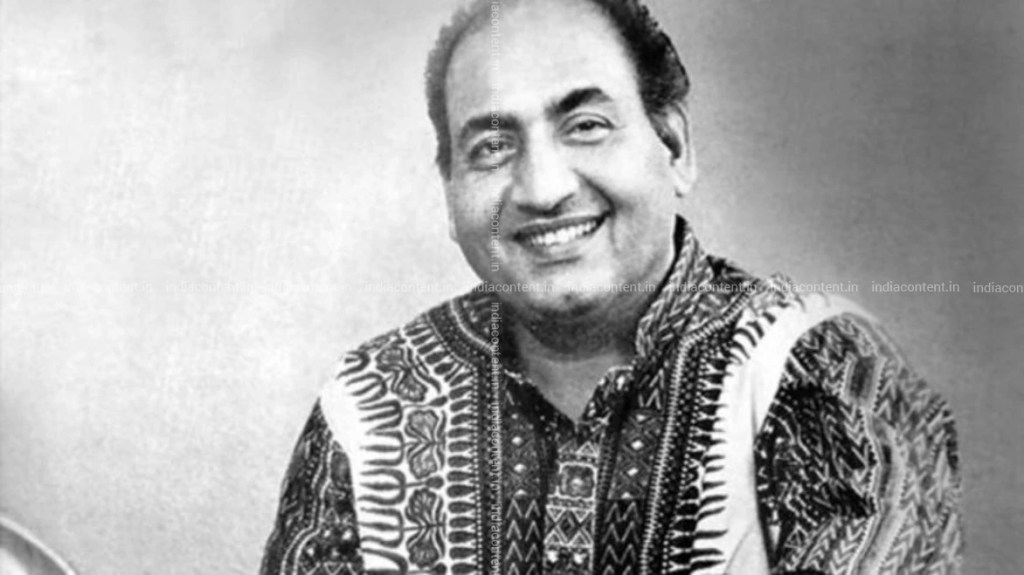
Malaysia Vasudevan-a  voice with many hues

15th June  1944 – 20th  February 2011

The decade of 1970’s in Tamizh film music was very eventful. The new generation of music directors, lyricists and singers were gradually entering the scene and even the way films were made was changing, shifting  from the studio-dominated , drama-style presentation  to a more realistic story-telling based on life in  villages of Tamil Nadu. The directors were also of a younger generation, more open to experimentation .

It was the time when male playback singers K J Yesudas and S P Balasubrahmanyam stormed the industry , with the maestro Ilayaraja firing on all cylinders with a creativity that was to dominate the music scene for decades to come. Female playback singers S Janaki, Vani Jayaram were  getting established ( of course S Janaki was there for a long time-it was only during that time she got a great second innings) , and the veteran P Susheela , was still holding on to her own space despite tough competition. The legend, T M Soundararajan was active till the end of 70’s and early 80’s , having ruled like a king for more than two decades and whose songs till today remain as fresh as they were around 50 years back. Personally I keep listening to TMS ‘s songs daily and keep discovering many gems and wonder at his versatility.

In the midst of all this , especially when KJY and SPB were going so strong, there were two  male playback singers who created a niche for themselves. One was P Jayachandran about whom I had already written in this blogsite around a year ago.  The other singer was  Vasudevan Nair, popularly known as Malaysia Vasudevan. His voice somewhat resembles that of TMS but does have a unique, earthy  timbre.

Songs that required deep , classical touch went to KJY, SPB was there for almost all genres , excelling in the romantic ones , peppy and jazzy tunes . Jayachandran , with a velvety voice close to KJY , could render many melodious songs and classical ones  equally well. MV ( as I shall call Malaysia Vasudevan in this blog for simplicity) was utilized for those songs that needed  a heavy folksy touch and in the early years of superstar Rajinikanth, one can say he was the de-facto voice of the superstar .

Malaysia Vasudevan was born to Chattu Nair of Ottappalam and Ammalu of Polpulli,  on 15th June in the town of Kuala Selangor in the Federated Malay States (present day Malaysia). His  parents were basically  from Palakkad and had migrated to the  British Malaya in search of a livelihood. Vasudevan was born on 15 June 1944 as their eighth and youngest child.

MV did not have any formal training in music and was more of an intuitive singer. He  started singing on stage when he was eight and  was also interested in acting. He joined some  Tamil drama troupes in Malaysia as an actor and singer. He even sang a song for a locally produced Tamil film in Malaysia, Rathha Paei,  and veteran music director  G. K. Venkatesh, scored the music and MV had sung for this film.

It was for the 1972 film Delhi To Madras tha MV had his  first major song , in fact  a comedy song “Paalu Vikkira Padma Un Paalu Romba Suthhama?”, for the music director V. Kumar. Later on, he joined the Pavalar Brothers troupe which was run by Ilaiyaraaja and his brothers. This group used to perform on stage , many of them during political events. During one such stage performance , veteran music director M. S. Viswanathan heard MV  and gave him a small piece of a song in Bharatha Vilas (he sang the Hindi lines Suno Suno Bhai Suno Suno  in the song  “Indhiya Naadu En Veedu”) and then a song in Thalai Prasavam. One of the memorable songs from his very early career was “Kaalam Seyyum Vilaiyattu” in Gumasthavin Magal, composed by Kunnakudi Vaidyanathan. It was the producer of this film ,  A. P. Nagarajan , who christened him Malaysia Vasudevan.

Later on , with  Ilaiyaraaja entering the  Tamil film industry with Annakili, followed by Bharatiraja’s debut directorial venture 16 Vayathinile, MV got to sing the famous  “Aattukutti Muttai Ittu” which gave him the necessary break .  Ilaiyaraaja would go on to provide him all the support to make MV a star singer.

Like T. M. Soundararajan, MV was also  content with singing mostly in Tamil and did not sing much in other languages. He has sung for almost all the main music directors of his times like Ilayaraja , for whom he sang the most , MS Vishwanathan, Shankar-Ganesh, Vidyasagar and A R Rehman to name  a few. On screen, his voice was utilized maximum for  Rajinikanth and later on  for Sivaji Ganesan also. The songs he sang for Sivaji in the film Mudal Mariyadai are popular to this day.

MV also ventured into acting and did many character and negative roles and this was a unique achievement as many singers had not become successful in acting. He also scored music for few films, wrote a collection of poems titled Ennam Thondriyathu Ezhutha Thoondiyathu in 2010. He had also directed a film Nee Sirithal Deepavali in 1990.

On his personal front, Malaysia Vasudevan had married Annaporani, also known as Usha Vasudevan, on 26 January 1976 and had  three children Yugendran, Prashanthini and Pavithra. Yugendran has acted and sung in some films in Tamil and other languages. Prashanthini is a playback singer. His daughter Pavithra is married and resides in Malaysia.

Tamil Nadu government had  accorded  the Kalaimamani award to him and he  also got the Tamil Nadu State Film Award for Best Male Playback  twice.

Malaysia Vasudevan was a chronic diabetic and hypertension patient, and unfortunately had a stroke in 2003, that slowed down his mobility. He passed away due to  gangrene on 20 February 2011 in Chennai, Tamil Nadu.

I have listed 25 songs of Malaysia Vasudevan, in chronological order of the film’s release , with song, film, year, music director, lyricist and co-singer mentioned in that sequence.

  1. Kaalam Seiyyum Vilayattu-Gumastavin Magal-1974-Kunnakudi Vaidyanathan-Poovai Senguttavan

Many would not be aware about this song that can be considered as one among his very early songs. Even I heard it for the first time , while working on this blog!

2. Attukkutti Muttayittu-16 Vayathinile-1977-Ilayaraja-Kannadasan–With S Janaki

In many ways the film 16 Vayathinile gave a great career boost for  Rajinikanth, Kamal Hassan, Sreedevi, Ilayaraja and also Malaysia Vasudevan. His skill in modulating his voice was  good in this song.

3. Kovil Mani Oosai Thannai-Kizhakke Pogum Rail-1978-Ilayaraja-Kannadasan–With S Janaki

In the early days of his career, MV had a very good association with Ilayaraja and Bharati Raja, director , in whose films he must have sung his best songs. This one is a very melodious and MV showed that he was capable of singing romantic duets also.

4. Aazhakkadali Thediya Muthu-Sattam En Kaiyil-1978-Ilayaraja-Kannadasan-With  S Janaki

I do not know the reason why this song was not included in the film, but it is definitely a pleasant melody to listen to. Though MV comes at the last charanam of the song, his voice is so nice to hear.

5. Aaagaya Gangai-Dharma Yuddam-1979-Ilayaraja-M G Vallabhan -With S Janaki

Among the duets of MV , this stands tall with his best ever rendition along with S Janaki, no doubt immensely enriched by the scintillating orchestration of Ilayaraja.

6. Oru Thanga Radathil -Dharma Yuddam-1979-Ilayaraja-Kannadasan

From the same film , Dharma Yuddam, this one is Rajini singing for his sister. This song proved to the listeners , that MV is equally capable of singing an emotional song for a sister as well as how he used to sing the rustic, folk songs.

7. Kadal Vadiruchu Aasaiyil Odi Vanden-Kalyanaraman-1979-Ilayaraja-Panchu Arunachalam

Folk and Comedy were two genres, that seem to be tailor-made for MV. This song became a rage during its times.

8. Pothuvaga En Manasu-Murattu Kaalai-1980-Ilayaraja-Panchu Arunachalam

In the early days of Rajinikanth, this movie and this song brought him phenomenal fame! One can say with this song, MV became the “voice of Superstar” with his rustic delivery matching the on-screen swagger of Rajinikanth.

9. Ponmaana Thedi Naanum Poovodu-Enga Oor Raasathi-1980-Gangai Amaran- Muthulingam-With S P Shailaja

Gangai Amaran, the younger brother of Ilayaraja , is a multi-talented artist-Music composer, lyricist, director, actor, singer etc. This song is generally wrongly attributed to Ilayaraja but was actually composed by Gangai Amaran. One more very popular song of MV that used to be heard almost daily across Tamil Nadu in the 80’s.

10. Aathu mettula Oru Paattu Kekkuthu-Giramaththu Athiyayam-1980-Ilayaraja- Gangai Amaran-with S Janaki

Ilayaraja could create a folk tune with a modern touch and who else to render that so beautifully than MV & SJ!

11. Sugam Sugame Thoda Thodathane-Naan Potta Savaal-1980-Ilayaraja-Puratchi Dasan-With Vani Jayaram

One more superb melody from IR during his initial years , when his creativity was at its peak. MV and Vani Jayaram sang comparatively lesser duets but most of their songs were hits.

12. Alli Thandha Bhoomi-Nandu-1981-Ilayaraja-Madhukoor Kannan

A fine melody by Ilayaraja , beautifully executed by MV. Remains one of MV’s most memorable songs to this day. The film failed commercially , with the story set in Lucknow and lot of dialogues in Hindi that the audience could not understand ( those were the days of no sub titles!) , but the songs were good.

13. Kodai Kaala Kaatre-Panneer Pushpangal-1981-Ilayaraja-Gangai Amaran

Similar to the song from Nandu-allithantha Bhoomi, this is an even more famous , soft melody of MV and remains my personal favourite. Of course the tune, orchestration of IR was equally great and made this an evergreen favourite for all.

14. Enni Irundhadhu-Andha 7 Naatkal-1981-M S Vishwanathan-Vairamuthu-With Vani Jayaram

MV singing for MSV was somewhat rare , although one of his earliest breaks was given by MSV in his “ Indiya Nadu Yen Veedu” song way back in 1973. In MSV’s music, the inherent strength of the tune was always more prominent than orchestration , although he was never shy of using brilliant orchestration whenever required. MV teams up with Vani Jayaram for one more memorable duet.

15. Poove Ilaya Poove Varamtharum -Kozhi Koovuthu-1982-Ilayaraja-Vairamuthu

One of the most famous songs of MV , this was a super hit during its release. MV proves his classical strength without having any elaborate training in classical music.

16. Thanga Changili-Thooral Ninnu Pochchu-1982-Ilayaraja-Vairamuthu-With  S Janaki

If we look at the repertoire of MV , we find so many lilting duets with S Janaki , in the music direction of Ilayaraja. One more popular duet from this team.

17. Ananda Then Sinthum Pooncholayil -Mann Vasanai-1983-Ilayaraja-Panchu Arunachalam-With  S Janaki

The pair of MV and SJ gave so many hits with the team of Ilayaraja & Bharatiraja.

18. Vetti Veru Vaasam-Mudhal Mariyathai-1985-Ilayaraja-Vairamuthu-With S Janaki

Mudal Mariyadai was a milestone film for MV ,as the songs he did for the thespian Sivaji Ganesan became super hits. For many deacdes, TMS was the voice the legendary actor and in this film MV’s voice perfectly fitted him. Ilayaraja came out with some of his best compositions , that are remembered to this day.

19. Poongatru Thirumbuma – Mudhal Mariyathai-1985-Ilayaraja-Vairamuthu-With S Janaki

In Vetti Veru Vasam and Poongatru Thirumbuma, S Janaki also gave her best and together , MV & SJ created wonders. The percussion used by IR is simply out of the world.

20. Mamavukku Kuduma Kuduma-Punnagai Mannan-1986-Ilayaraja-Vairamuthu

Comedy was a favourite genre for MV right from his ‘ Aatukutti Muttai Ittu” song in 1977. This one is no exception!

21. Enna Ma Kannu-Mr. Bharath- 1986-Ilayaraja-With S.P.Balasubramaniam

What happens when two legend come together to come out with a rocking number?! Both SPB and MV behind the screen and Rajnikanth and Satyaraj on screen complement each other so well in this delightful male duet.

22. Malaiyoram Mayile-Oruvar Vaazhum Aalayam-1988-Ilayaraja-Ponnadiyan-With K S Chitra

IR might have used the rhythm pattern similar to the one in this song on so many occasions and was , what we can call as a sort of ‘signature style’.  MV once again proves his mettle in melodious duets.

23. Ooru Vittu Ooru Vandu-Karagatakkaran-1989-Ilayaraja-Gangai Amaran-With Gangai Amaran

Karagattakaran was a musical bonanza , with Maanguyile Poonguyile , Intha Maan Unthan Sontha Maan becoming super hits. Ooruvittu Ooru Vanthu has that typical folk style , with MV singing full of energy.

24. Eh Rasathi Rosappoo-En Uyir Thozhan-1990-Ilayaraja-Gangai Amaran-With Arunmozhi

For a very long time , I was under the impression that Ilayaraja had used superb recording technique to sound as if there were two tracks of MV’s voice, with a slight lag . I had to refer to some Internet sources and also one of my close friends , who is a music connoisseur to get it verified that one Arunmozhi also lent his voice along with MV. For me this is THE BEST song of MV. A brilliant tune, orchestration , coupled with MV’s amazing rendition.

25. Per Vechalum Vekkama-Michael Madana Kamarajan-1991-Ilayaraja-Vaali-With S Janaki

One of the best comedy films , Michael Madan Kamarajan must have been seen most film lovers multiple times including yours truly. This duet has that typical IR beat , with MV singing for Kamal Hassan -relatively rare.

My knowledge on songs after the 90’s in Tamil films is very limited and though MV sang for few more years, I have not included his songs after 1991. The impact of AI was seen in Tamil film music when MV’s voice was “ re-created” artificially for the song “ Manasilayo” for the 2024 Rajinikanth starrer-Vettaiyan.

Acknowledgements and Disclaimer:

I sincerely thank the publishers of following  Internet sources   for the information that I could gather for this article:

  1. You Tube
  2. Wikipedia
  3. A close friend who gave some inputs and also suggested few songs for inclusion.

The songs mentioned are from the popular, public domain and have been embedded here   only for the listening pleasure of the music lovers. The photograph is taken from the internet, duly recognizing the full copyrights for the same to the  original creator or the site where they were originally displayed .This blog does not claim any copyright over them, which rests with the respective owners of the rights.

Rare combinations , but fabulous songs-Male Singers

Part 2-Some  male solo songs of rare combinations

In continuation of my earlier blog on few fabulous songs by female singers in the music direction of certain composers with whom they worked very rarely, I am now listing out few songs with the same logic by male playback singers.

My off the cuff recall for male singers seems to be much higher! Among male singers, Rafi had not only sung for almost all the top music composers of the golden era , he had sung almost 50% of his songs spread over a huge number of what we call obscure or lesser-known music composers. There were three music directors who used Rafi sparingly-Anil Biswas, Salil Chowdhury and Chitalkar Ramachandra. Among these, C Ramachandra had utilised his vocal extensively in his early career and only later on started singing the songs himself or used Talat Mehmood whose voice closely resembled that of Chitalkar himself.

Mukesh, Manna Dey, and Talat Mehmood had some fabulous rare associations . We shall look at some of these in this second part. There is no particular order and I have arranged them randomly, with the song, film, year and lyricists mentioned in that sequence.

Some of the songs may not be popular  or truly ‘fabulous’ but I have included them as they are good to hear , especially for their rare combination.

  1. Mukesh and Madan Mohan

Preet Laga Ke Maine Yeh Phal Paaya-Aankhen-1950-    Raja Mehdi Ali Khan

One of the very early songs of Madan Mohan and I find the style somewhat similar to Naushad . Mukesh , as we will see in this blog further, had that uncanny ability to come out great songs even in the compositions of those music directors who had given him very limited songs.

Bhooli Hui Yaadon Mujhe Itna Na Sataao-Sanjog-1961-Rajendra Krishan

One of the most famous songs of Mukesh and this is vintage Madan Mohan. Mukesh, in his inimitable style brings out the pathos so well. The same film had one fabulous duet of Mukesh with Lata-Ek Manzil Rahi Do Phir Pyar Na Kaise ho.

2. Mukesh  and O P Nayyar

Chal Akela Chal Akela -Sambandh-1969- Kavi Pradeep

After that infamous episode of O P Nayyar banning Rafi for few years as he “ supposedly’ come late for a recording , he started using the vocals of Mahendra Kapoor, Mukesh and Kishore Kumar. This song is among the top songs of Mukesh and had a rare association of Kavi Pradeep and O P Nayyar.

3. Mukesh and C Ramachandra

Jap Jap Jap Jap Japre-Sharada-1957-Rajendra Krishan

Not only Mukesh singing in C Ramachandra’s composition was a rarity, this film had an unusual Raj-Kapoor and Meena Kumari acting together.

4. Mukesh and Sachin Dev Burman

For Sachin Dev Burman, Kishore Kumar and Rafi were the most preferred singers and only for few songs he had utilized Manna Dey, Mukesh and Talat Mehmood. However, as I mentioned earlier these two songs of Mukesh are so great and can be easily counted among Mukesh’s top twenty songs.

Oh Jaanewale Ho Sake To Laut Ke Aaana-Bandini-1963-Shailendra

Chal Ri Sajni Ab Kya Soche-Bambai Ka Babu-1960-Majrooh Sultanpuri

5. Mukesh and Ravi

Like many other music directors , for Ravi also , Mukesh seems to have been a less-preferred singer. He had always worked more with Rafi and Mahendra Kapoor. These two solos from the same film are the best from this rare combination.

Sada Khush Rahe Tu-Pyar Ka Sagar-1961-Prem Dhawan

Wafa Jisne Ki Bewafa Ho Gaye- Pyar Ka Sagar-1961-Prem Dhawan

6. Manna Dey and Naushad

Among all the rare combinations, Manna Dey and Naushad is one of the most glaring omissions as both were masters of the classical genre. Despite being an ardent fan of Rafi, I myself sometimes feel Naushad did not do justice to the great talent of Manna Dey. This is the only ‘ judgemental’ comment made by me in this blog!

There are only a handful of solos for Manna Dey by Naushad and two of them are listed here. Of them only the Mother India song is somewhat known-the other song , I found out only while searching for this blog!

Bhagat Ke Bas Mein Hai Bhagwan-Shabaab-1954-Shakeel Badayuni

Chundariya Katati Jaaye Re, Umariya Ghatati Jaaye Re-Mother India -1957-Shakeel Badayuni

7. Manna Dey and Sachin Dev Burman

Both S D Burman and Manna Dey learnt music from Manna Dey’s uncle K C Dey among other gurus. That makes it a bit surprising that despite this bonding , they worked for relatively few songs. However I should not be strictly categorizing this as a rare combination as they had given some  memorable songs like Upar Gagag Vishal, Tere Naina Talash Kare Jise Who Hai and of course the most famous Poocho Na Kaise Maine Rain Bitaayee.

Many-a-times the compulsions of commercial aspects of films create a situation where only certain voices are preferred. Manna Dey , unfortunately was not preferred much to playback for leading heroes- with the exception of Shankar Jaikishan who proved his voice  was equally good for Raj Kapoor. The most unfortunate aspect in our film industry was to use very good classical based songs, that Manna Dey was capable of , on comic situations and on comedians like Mehmood!

Poocho Na Kaisa Maine Rain Bitaaye-Meri Surat Teri Aankhen-1963

Tere Naina Talash Kare Jise Woh Hai-Talash-1969-Majrooh Sultanpuri

8. Mohammad Rafi and Anil Biswas

In the entire Hindi film music industry of there was a music director who specifically avoided the greatest playback singer-Mohammad Rafi, it was Anil Biswas. C Ramachandra also used him sparingly in later years , but in the mid 40’s and early 50’s CR had composed many duets and solos . Salil Chowdhury also used Rafi sparingly, just around 20 songs only but many of them became evergreen , including the famous Tasveer Teri Dil Mein song , with an ‘infamous’ episode attached to that song.

In case of Anil Biswas , he has been quoted as saying that for his , soft , emotional style of songs , Rafi’s ‘open-thorated , Punjabi style of singing’ was not suitable and so he preferred Talat Mehmood , Mukesh more.

However , when it came to the songs of the film Heer -1956, he did utilize the vocals of Rafi and Mohammad Rafi-the gentlest soul to have worked in the music world , never bothered about what any music director said or felt and always gave his best!

Le Ja Uski Duayein Ho Jo Tera Ho Na Saka-Heer-1956-Majrooh Sultanpuri

Allah Teri Khair Kare- Heer-1956-Rajendra Krishan

9. Mohammad Rafi and Salil Chowdhury

Salil da preferred Talat Mehmood, Mukesh mostly and some times Manna Dey also , and towards his later years even Kishore Kumar for some of the excellent songs in KK’s career like Koi Hota Jisko Apna and Guzar Jaye Din Din . However for some specific songs Salil da utilized Rafi’s vocals , especially when it was for typical Bhangra  style songs like Oh Aiven Duniya Deve Duhayee in Jagte Raho or a Persian/Arabic flavour in O Ya Qurbaan song in Kabuliwala-1961 film.

Zindagi Hai Kya Sun Meri Jaan-Maya-1961-Majrooh Sultanpuri

The famous theme music from Charlie Chaplin for the film Limelight , that won the only Oscar award for Charlie Chaplin, was used in many Hindi and Tamil film songs. But among all “ Zindagi Hai Kya” by Salil da-Rafi combination was the best. I am giving a link to Charlie’s composition also.

Limelight-Chaplin film theme music

Toote Hue Khwabon Ne Humko Yeh-Madhumati-1958-Shailendra

This poignant song from Madhumati remains one of the best ever by this rare combination. Rafi shows his versatility in the same film by singing this immensely sad song and then an out and out comical Jangal Mein Moar Nacha Kisine Na Dekha for Johnny Walker!

10. Mahendra Kapoor and Shankar Jaikishan

Kho Gaya Hai Mera Pyaar-Hariyali Aur Raasta-1962-Hasrat Jaipuri

For Shankar Jakishan, Rafi was the most preferred singer except for the Raj Kapoor songs in which Mukesh was their obvious choice along with few for Manna Dey. In their early years they used Talat Mehmood and in those films where Kishore Kumar was the hero, they had composed some songs for him also . As a result , they never had much opportunities for Mahendra Kapoor. Apart from duets and triad songs , this one seems to be the only solo song for Mahendra Kapoor ,  but definitely became a popular song.

11. Mahendra Kapoor and O P Nayyar

The story about how Rafi got late for O P Nayyar’s recording and hence got “ banished” from his recording room ( only to patch up after 3-4 years , with Rafi taking the initiative to meet OPN ) is well-known. I would not go much into the merit of the story as some points are not logical in that. Anyhow the fact was that for that period, many other male singers like Mahendra Kapoor , Mukesh and Kishore Kumar got the chance to sing for OPN and those were mostly fabulous songs.

Mahendra Kapoor had a voice and style similar to Rafi ( incidentally he always considered him as his guru ) and so there were quite a few songs of OPN & MK that became quite popular. Two of them are listed here, from the same film-Kismet.

Aankhon Mein Qayamat Ke Kajal-Kismet-1968-S H Bihari

Lakhon Hai Yahan Dilwale- Kismet-1968-S H Bihari

12. Mahendra Kapoor and Lakshmikant Pyarelal

Mahendra Kapoor had sung many duets and triads for L-P but solos were relatively very rare. This is a powerful rendition by MK for the famous film Roti Kapda Aur Makan.

Aur Nahi Bas Aur Nahi-Roti Kapda Aur Makaan-1974- Santosh Anand

13. Kishore Kumar and O P Nayyar

As mentioned earlier , that brief separation between Rafi and OPN gave many songs for MK, KK & Mukesh. Both the songs I have listed here are good ones from this rare association.

Savera Ka Suraj Tumhare Liye-Ek Baar Muskurado-1972-Indeevar

Roop Tera Aisa Darpan Mein – Ek Baar Muskurado-1972-Indeevar

14. Kishore Kumar and Madan Mohan

Madan Mohan’s soft & emotional ghazals made him turn to Rafi & Talat most often and few rare classical ones for Manna Dey. Kishore , whenever he got an opportunity , made the best of it and these two songs are popular even  with later generations , with even re-mixes made out of them.

Zaroorat Hai Zaroorat Hai-Man Mauji-1962-Rajendra Krishan

Simti Si Sharmayee Si-Parwana-1971-Kaifi Azmi

15. Kishore Kumar and Roshan

Till the time I could do some serious digging in the Internet, I was under the impression that KK did not sing much for Roshan senior, though for his son, Rajesh he had sung hundreds of songs!

Dil Ho Gaya Shanty Flat-Shisham-1952-Nazim Panipati

16. Talat Mehmood and Ravi

One more surprising rarity was Ravi & Talat as the latter’s vocals perfectly suited Ravi’s style of music. Maybe his strong preference for Rafi resulted in very few songs for Talat. As such Talat sang just around 600 songs only , but whatever he sang were of the highest quality. I conclude my humble attempt to showcase some of the rarest combinations with this superb ghazal by the Ghazal king for the melody king.

Sab Kuch Lutake Hosh Mein -Ek Saal-1957-Prem Dhawan

Acknowledgement & Disclaimer 

I sincerely thank the publishers of following blogsites & Internet sources for the information that I could gather for this article:

  1. You Tube
  2. Wikipedia

The songs mentioned are from the popular, public domain and have been embedded here   only for the listening pleasure of the music lovers. The photograph is taken from the internet, duly recognizing the full copyrights for the same to the  original creator or the site where they were originally displayed .This blog does not claim any copyright over them, which rests with the respective owners of the rights.

Rare combinations , but fabulous songs-Female Singers

The golden era of Hindi film music gave us an immense  variety of songs composed by many music directors, singers and lyricists. The decades of 1950’s and 60’s were truly fantastic with all the legendary artists at their peak of their creativity. Most of the music composers started off without having any specific attachment to a particular singer in their very early years. However , gradually many started having some affinity for a particular singer or some selected singers. Except for very few , like the infamous O P Nayyar’s total exclusion of Lata Mangeshkar in his songs or Anil Biswas’ aversion to Mohammad Rafi , many did not openly display a particular like or dislike for a singer. But one could always make out their preferences or if you want a stronger word, bias towards or against a singer.

Now I have always maintained a policy of not getting into the controversies or politics of music. This blog is just an attempt by me to look into those rare combinations of certain music directors and singers, who worked only in few songs together and this particular blog is only about the solo songs. I shall not be discussing why some singer was preferred or not preferred as that would lead to many controversies.

This idea came after recently listening to some songs of Talat Mehmood under the music direction of  Shankar Jaikishan, Mohammad Rafi  for Anil Biswas and Salil Chowdhury, Mukesh for Madan Mohan and S D Burman, Kishore Kumar for Shankar Jaikishan, Manna Dey for Naushad etc.

Before I proceed further, the usual caveat-the basis premises of this blog is purely my own personal view based on how I define the ‘ popular’ combinations and ‘ not-so-popular’ combinations. This is not based on some vigorous statistics .

When I have a huge list of artists still not covered in my blogs,  taking up a theme that does not focus on a particular artist , may appear a bit odd , but I am sure anyone going through this blog further may agree with me that this is an interesting way of looking at some of the music composer-singer combinations in a new way.

In the golden era of Hindi films, there were so many great music composers, lyricists  and singers who had a strong association between them. For example , if you take Naushad, after his initial years he worked mostly with Lata, Rafi and Shakeel Badayuni. Similarly Shankar Jaikishan worked with Shailendra and Hasrat Jaipuri among lyricists and Rafi, Mukesh and Lata among singers. S D Burman was instrumental in giving Kishore Kumar his great songs around 20 years prior to Aradhana when he took off in a very big way with his second and more prolific innings. O P Nayyar, after initial association with Shamshad Begum and Geeta Dutt, switched over completely to Asha Bhosale, till the time they parted ways. Mukesh had some of his excellent songs with Shankar Jaikishan and Kalyanji-Anandji. For Madan Mohan, Lata & Rafi were almost inseparable.

I can give many such examples but it would be boring and also make this blog quite long. Hope one gets the drift of what I am trying to explain. It is not that the combinations mentioned were the only ones and the music directors did not work with others. There are only few exceptions like one can never find a Lata song in O P Nayyar’s music as they never worked together or  a lone  , mediocre composition was the only one  Naushad could offer Kishore Kumar in his entire career! Anil Biswas never preferred Rafi except for a few songs that one can count in single digits ( maybe!) or Salil Chowdhury, despite coming out with superb songs with Rafi , totally had around less than 20 songs for him.

Once again, I am not going into the merits of these preferences or bias as they all are legendary artists and might have had their own reasons. Who are we, mere listeners, to question their choices?! My theme for this blog is only to highlight just one or two songs from these rare combinations, which are truly good songs. It is to the credit of the singers and music directors, that despite their very limited number of songs together, they could come out with fabulous songs.

I will  make it more clear by giving an example. Shankar and Jaikishan were known for their peppy, fast-paced, jazzy numbers and one could think of only one solo song they composed for Shamshad Begum- Ek Do Teen Aaja Mausam Hai Rangeen(Film :Aawara). It would have been great if they could have come out with more songs like this. Similarly Mukesh sang very few songs for Madan Mohan -Bhooli Hui Yaadon Mujhe Itna Na Sataao (Film :Sanjog) but it is an evergreen song and one can only say “ wish we had more”  as both were known for their melodious songs.

Few criteria that I have applied while selecting the rare combinations:

  1. These are combinations of singer-music director and not lyricist-music director or a singer-lyricist as those combinations may be a separate theme altogether.
  2. I have tried to take only prolific singers and music directors as if we venture into lesser-known artists on both categories, once again the list will be huge.
  3. Some of the singer-music directors may have worked relatively in few songs only , but at some point of time they had given many hits-for example Talat Mehmood and Shankar Jaikishan worked together in the early years but had given many memorable songs and so I have not considered them as strictly ‘ rare combination’.
  4.  I have mostly focused on solo songs only and not duets. One song is an exceptional duet  that has one singer doing only an alaap.
  5. Some of the combinations and their songs I have selected may not be truly ‘ fabulous’ as I have titled this blog, but it is my own purely personal opinion that they are good to hear and will make one wonder “ why this combination did not give more songs” ?

I am listing out the songs in two parts- Part 1 for female playback singers and Part 2 for male playback singers. I will be posting Part1 first followed by Part 2.

The songs are listed in no particular order and are just random , instead of the usual chronological order. The song, film , year  and lyricist are mentioned in that sequence.

These are not the only rare combinations and only songs from such rare combinations. One can keep discovering many such songs and would be glad if readers mention them in the comments section.

Also after seeing these combinations, one may wonder why the most famous female playback singer is not aapearing-Lata Mangeshkar . Reason is simple-with the exception of O P Nayyar who did not compose even one song for her, among the top , prolific music directors, she had so many songs that it is difficult to term anyone combination as ‘ rare’!!

Part 1-Some  female solo songs of rare combinations

  1. Shamshad Begum and Shankar Jaikishan

Although Shamshad Begum sang a handful duets , to the best of my knowledge there was only one solo she sang in S-J ‘s music direction. Despite that the song remains popular to this day. I always wonder how they created a background noise of a club where so many people are talking throughout the song!

Ek Do Teen Aaja Mausam Hai Rangeen-Aawara-1951-Shailendra

2. Geeta Dutt and Madan Mohan

Madan Mohan , after discovering Lata and Rafi mostly stuck to these two singers with occasional songs for Asha Bhosle, Talat Mehmood and Manna Dey. But that one song of Geeta Dutt is played in every playlist and has become one among the top preferences of many playlists even today.

Ae Dil Mujhe Bata De Tu Kis Pe Aagaya Hai-Bhai Bhai-1956-Rajendra Krishan

3. Geeta Dutt and Shankar Jaikishan

Geeta Dutt was somehow ignored by Shankar-Jaikishan also like Madan Mohan In the film Love Marriage we have this solo and a duet Dil Se Dil Takraye that she sang with Rafi. There were just a handful duets and triad songs , maybe one can count within ten. Just like Shamshad Begum one wishes with the peppy style of Geeta Dutt and SJ , one can only wonder why they did not give many more memorable songs.

Kareeb Aao Na Tadpao-Love Marriage-1959-Shailendra

4. Asha Bhosle with Naushad

In case of Naushad, after his early works with the singers of the vintage era like Noorjehan, Suraiya, Shamshad Begum among others, he stuck to Lata Mangeshkar predominantly in the decades of 50’s and 60’s. It is very rare to hear an Asha song in his music , especially a solo. Even this song that I have listed is not strictly a solo-his favourite singer Rafi chips in between with those superb alaap.

Daiya Re Daiya Laaj -Leader-1964-Shakeel Badayuni

5. Asha Bhosle with Madan Mohan

In case of Madan Mohan, it is well known that he had a fabulous team work with Lata and their songs they came out are legendary. Only when a song required to be picturized in a peppy , fast-paced way, he turned to Asha and also one peculiarity was for many duets , he preferred Asha paired with Rafi. It was very rare to hear a Rafi -Lata duet in MM composition despite both being his top favourites for solo songs. The three solo songs of Asha I have listed are top class without any doubt. My personal favourites are Sabah Se Yeh Kehdo that is a very sober ghazal and the foot-tapping Shok Nazar Ki Bijliyan.

Saba Se Yeh Kehdo-Bank Manager-1959-Jalal Malihabadi

Shok Nazar Ki Bijliyan-Woh Kaun Thi-1964- Raja Mehdi Ali Khan

Jhumka Gira Re-Mera Saya-1966-Raja Mehdi Ali Khan

Since the Youtube links are not getting embedded, I am providing a link which one can click and open in separate tab to listen.

https://www.youtube.com/watch?v=UscktZOMGJY&list=RDUscktZOMGJY&start_radio=1

6. Asha Bhosle and Hemant Kumar

Like many music directors, Hemant da also preferred Lata mostly and the songs they created together are some of the top in Gindi films, especially those haunting melodies. In a Guru Dutt film , it is very rare to listen to Lata and so the film Sahib Bibi Aur Gulam had some the career best songs of Geeta Dutt and Asha Bhosle. I always prefer Meri Baat Rahi Mere Man Mein from this film and the other one Bhanwara Bada Nadaan Hai is also quite popular. The two songs of Anupama are all-time favourites for me.

Meri Baat Rahi Mere Man Mein-Sahib Bibi Aur Gulam

Bheegi Bheegi Fiza-Anupama

Kyun Mujhe Itni Khushi De -Anupama

7. Suman Kalyanpur and Naushad

To be frank, I had to search for a solo song of Suman Kalyanpur in Naushad ‘s music direction, and it was known to me earlier. As such Suman Kalyanpur was preferred by many music directors mainly during those four years of rift between Lata and Rafi when they did not sing together. Solo songs were a rarity for her.

Poonam Ki Raat Aayee-Saaz Aur Awaaz-1966-Khumar Barabankvi

8. Suman Kalyanpur and S D Burman

For S D Burman also solo songs for Suman were far less in numbers , but this tandem song ( the male version by Hemant Kumar is more popular).

Na Tum Hamen Jaano-Baat Ek Raat Ki-1962

Acknowledgement & Disclaimer 

I sincerely thank the publishers of following blogsites & Internet sources for the information that I could gather for this article:

  1. You Tube
  2. Wikipedia

The songs mentioned are from the popular, public domain and have been embedded here   only for the listening pleasure of the music lovers. The photograph is taken from the internet, duly recognizing the full copyrights for the same to the  original creator or the site where they were originally displayed .This blog does not claim any copyright over them, which rests with the respective owners of the rights.

Jamuna Rani-a small tribute to this forgotten singer

17th May 1938-30th  July 2026

This year, from April we have been losing many veteran female playback singers starting from Asha Bhosle in April, Suman Kalyanpur in May , S Janaki and K Jamuna Rani in July . I feel bad to be writing about all these singers after they passed away , except S Janaki whom I covered in my blog written in April 2025.

Early Tamizh film music had many great female playback singers like M L Vasanthakumari, T A Rathnam, A P Komala, Jikki, P Leela, M S Rajeshwari and K Jamuna Rani before P Susheela and S Janaki became the leading singers. Later L R Eashwari and Vani Jayaram also made their niches with distinct styles and voices. Especially in the 50’s , before P Susheela became the most preferred singer , there was a variety of voices and styles that enriched film music . As I have mentioned many times in my blogs, my own personal experience in listening to the early golden era songs of Tamizh films was limited and only recently, after starting my blogs , I am listening to many of these great artists.

When I heard the news about K Jamuna Rani passing away on 30th July, I thought of writing about her, but then I realised how little I knew about her songs. I started watching some interviews of her ( here I should thank the famous singer Mano for his excellent two-part interview in Jaya TV series Manthodu Mano ) and came to know about her experiences and also knew about many of her songs.

Like many other artists of yesteryears , there is almost no information about Jamuna Rani in Internet. Wikipedia , at least had some list of her songs and that is the main source for my song selection here , apart from the interview that I mentioned.

Born to K Varadarajulu and K Droupadi , she was interested in music from a very young age and had sung for the Telugu film Thyagayya when she was just seven years old. Her first break in Tamil films was in 1952 for the films  Valayapathi & Kalyani. Soon she started singing in many south Indian languages like Telugu, Tamil, Kannada and Malayalam and even Sinhala.

Among her  early hits were  the songs O Devdas from the 1953 film Devadas and Aasayum Nesamum in 1955 film Gul-E-Bakavali. Like it happens with many artists, if they are successful in a particular genre, they get stereotyped in that and after singing the Aasayum Nesamum -a song picturized on a character singing in an intoxicated way, Jamuna Rani also started getting many songs of similar type. Only after few years she could get the opportunity to sing songs of different flavours, including melody based ones.

Somehow her voice reminds me of Geeta Dutt, which she also mentioned in that interview I quoted in the beginning of this blog. Some of her duets are so popular that even today they are liked by many. Her solos were relatively  few . MSV mostly preferred P Susheela and JR was brought in to sing only when there was a peppy song with a  rock and roll style. Other music directors like K V Mahadevan , G Ramanathan, Vedha S M Subbiaha Naidu , R Sudarshanam composed some memorable songs for her.

One song that brough her good fame as a solo was in the very famous movie Pasa Malar, Pattondru Ketten Paravasamanen, composed by Vishwanathan-Ramamoorthy. But strangely in the later years of the 60’s decade, she got very few chances and had almost stopped singing in 70’s and people had almost forgotten her. Much later , in 1987, Ilayaraja brought together, two yesteryear forgotten singers Jamuna Rani and M S Rajeshwari in the film Nayakan for the song Naan Sirithal Deepavali that became very famous.

Nothing much is known about Jamuna Rani’s family and to the best of my knowledge, based on available information, she remained unmarried.  In her later years , she used to sing in live concerts and with P Susheela, she has performed outside India also.

For me , it was really an eye-opener to discover many songs of Jamuna Rani while researching for this blog and we get a feeling that Tamizh film music could have given her more songs that she rightly deserved.

I have tried to compile 20 songs of her that provides a glimpse of the rich variety in her singing. These are arranged chronologically with the song, film, year, music director, lyricist and co-singers mentioned in that order.

  1. Oh Devadas …Oh Parvati-Devadas-1953-C R Subbaraman-Udumalai Narayana Kavi- Duet with Udutha Sarojini

A very young Jamuna Rani singing for child actors in the famous movie Devadas. C R Subbaraman passed away while working for this film as music composer and his assistants Vishwanathan -Ramamoorthy completed the music for rest of the film. I am not very sure , but I think Jamuna Rani must be singing for the Parvati character in this song.

2. Aasayum En Nesamaum-Gul-E-Bakavali-1955-Vishwanathan Ramamoorthy-Thanjai Ramaiah Das

We can see the versatility in Jamuna Rani’s singing at a very early age . In her interview she explained how MSV told her to focus on singing and letting another singer, L R Eashwari who later on became a very famous singer to do those ‘ hiccups’ in the song.

3. Ilam Meesayulla Ambalainga-Aaravalli-1957-G Ramanathan-A Marudakasi-Duet with T V Rathnam

Sometimes I think the producers/directors may pressurise even veteran composers like G Ramanathan to use an inspired tune . I was surprised to note this song was exact version of Ude Jab Jab Zulfen Teri composed in Hindi by O P Nayyar for the film Naya Daur. GR did some changes in the interlude music . Jamuna Rani had more opportunities in duets rather than solos in her early career.

4. Mele Parakkum Rockettu-Anbu Engey-1958-Vedha- Thanjai Ramaiah Das

One more inspired song, this time by Vedha . This seems to be inspired by the very famous Geeta Dutt song Mera Naam Chin Chin Choo, again composed by  O P Nayyar. Leaving that aspect aside, it is really amazing to note how Jamuna Rani has rendered this. Like it always happens in our films, once a singer becomes famous for a particular type of song, he/she gets stereotyped . This was one of the early hit songs of Jamuna Rani and even now whenever someone talks about her songs, this one comes at the top. Vedha, to his credit, did some innovations by adding a male voice do some vocal gimmicks in between instead of taking the original song as it is.

5. Athi Mathura Anurada-Engal Kudumbam Perusu-1958-T G Lingappa-K D Santhanam-Duet with A M Rajah

This was the dubbed version of the Kannada song Athi Mathura Anuraga for the film School Master and the Tamizh version must have been for the dubbed version of that film. The singers are also the same in Kannada. T G Lingappa was a veteran composer in Kannada films and I remember clearly the Tamizh version was popular even in the 70’s and I used to hear in Vividh Bharati those days. A superb composition that sounds fresh even today, 78 years later!!

6. Sentamizh Thenmozhiyal-Maalaiyitta Mangai-1958-Vishwanathan Ramamoorthy-Kannadasan

Till the time of working on this blog, I knew only about the evergreen T R Mahalingam’s version of this very famous song. Never knew there was a female version by Jamuna Rani. She has sung it very well . She has sung many such melodious solos but somehow she was used more frequently for a particular genre as mentioned earlier. It was a pity that we could not get to hear more such melodies from her.

7. Thadukkadhe Ennai Thadukkadhe-Nadodi Mannan-1958-S M Subbaiah Naidu-M K Athmanathan-Duet with J P Chandrababu

While the top heroes and heroines of those days had TMS & PS singing for them, other singers had to be content with playback for the other actors and comedians. S M Subbaiah Naidu was known for his fast paced songs with superb percussion and when we have another versatile singer J P Chandrababu with Jamuna Rani , it is pure foot-tapping music. It is just my own imagination that this song could have been a precursor for MSV to come out with Aadaludan Padalai Kettu Rasippathilethan Sugam-just observe the rhythm pattern!

8. Yaradi Nee Mohini-Uthamaputhiran-1958-G Ramanathan-Ku Ma Balasubramaniam-With T M Soundararajan, A P Komala and Jikki

I had written in elaborate detail about this epic song composed by G Ramanathan in my blog about the great composer. Though I try not to repeat a song often, I cannot ignore this song as Jamuna Rani has also contributed equally to this along with other singers. Later , whenever I write about A P Komala also, I may repeat this!!

Songs like this are made once in a blue moon and will remain etched in our memories as long as our music is alive.

9. Akkalukku Valaikaappu-Kalyana Parisu-1959-A M Rajah-Pattukottai Kalyanasundaram-With P Susheela

Although P Susheela was senior to Jamuna Rani in age, the latter had debuted in films slightly earlier than the former! The 50’s were ruled by P Leela, Jikki, Jamuna Rani , P Susheela and also by others like M L Vasanthakumari, T A Rathnam, A P Komala , Bala Sawarswati . It is nice to hear the two legends JR & PS together in this song. Maybe due to other songs in Kalyana Parisu becoming more popular , this became less-known. It is really difficult to differentiate the two singers as JR also sounds equally melodious as PS.

10. Kungumapoove Konjum Purave-Maragatham-1959-S M Subbaiah Naidu-Ku Ma Balasubramaniam- With J P Chandrababu

    Just few weeks back I wrote about J P Chandrababu and obviously this song also gets repeated here. Just observe that stylish rendition of Jamuna Rani-especially that stress in the line ‘ pokkiri raja , pothume taja’. That elevates the song to a different level.

    11. Kaalai Manasu Kattana Siesu-Deivapiravi-1960-R Sudarshanam-Thanjai N Ramaiha Das

      One more famous song of Jamuna Rani with which she is identified with. R Sudarshanam uses minimal orchestration but brings out the suspense in the scene so well through his tune and interludes. No wonder he is considered as a master by other composers like MSV and Ilayaraja. After listening to this song , we definitely feel like asking , ‘ why she did not get to sing more songs’? It is truly  a beautiful , smooth rendition.

      12. Thara Thara Vanthara-Deivapiravi-1960-R Sudarshanam-Udumalai Narayana Kavi

        There is an innocence in Jamuna Rani’s voice in such songs and proves she was capable of singing such lilting melodies as much as she got bracketed into a particular genre of songs.

        13. Nikkatuma Pogattuma-Irumbu Thirai-1960- S V Venkataraman-Kothamangalam Subbu-With Tiruchi Loganathan

          From this film , Nenjil Kudiyirukkum anbarukku naan irukkum by TMS & P Leela became very popular. S V Venkataraman was one of the pioneers of Tamizh film music . This delightful duet by Tiruchi Loganathan and Jamuna Rani remained a hidden gem! Tiruchi Loganathan’s voice fits so well on K A Thangavelu!

          14. Pakkithile Kanni Pen Irukku-Padikkatha Methai-1960-K V Mahadevan-A Maruthakasi-With A L Raghavan

            Both A L Ragahvan and Jamuna Rani add so much charm to the song by their small voice modulations . A fast-paced joyful duet by KVM.

            15. Mama Mama Mama Emma Emma Emma-Kumudam-1961-K V Mahadevan-With T M Soundararajan

              It is very rare a song becomes so popular that it becomes a reason for a nick name for its composer! KVM was known as Mama in film circle after the immense popularity of this song. To a great extent the credit goes to the singers also , along with the composer. TMS & Jamuna Rani had nailed it perfectly, with Jamuna Rani even stealing the show a bit. One can listen to this song again and again without ever getting bored.

              16. Paattondru Ketten Paravasamanen-Pasamalar-1961-Vishwanathan Ramamoorthy-Kannadasan

                Among her solos, this was the best by Jamuna Rani. Strangely , she did not get much songs even after singing this evergreen number. Of course, Malarnthum Malaratha from the same film became an epic and over-shadowed all other songs. Still she deserved more such songs. I remember very clearly, long back in Chennai Vividh Bharati , there was a program titled Paatondru Ketten and this eternal song in the voice of Jamuna Rani used to be the signature tune for that program.

                17. Athikkai Kai Kai Aalangai Vennilave-Bale Pandiya-1962-Vishwanathan Ramamoorthy-Kannadasan-With TMS, Susheela, P B Sreenivas

                  Jamuna Rani might have been part of maximum triad or quad songs that had more than two singers . This is well-known for Kannadasan’s immortal lyrical style , where he apparently used many ‘kais’ -vegetable names but with most of them having another meaning in a way that only he can do. All the four singers made this an unforgettable song with their superb rendition.

                  18. Aadi Manithan Kaadalukku Pin- Bale Pandiya-1962-Vishwanathan Ramamoorthy-Kannadasan-With  P B Sreenivas

                    As per the prevailing tradition, singers other than TMS & PS were used for the second rung actors and this song is no exception to that. A delightful duet by PBS & JR.

                    19. Enakkagava Naan Unakkagava-Selvam-1966-K V Mahadevan-Vaali-With Tharapuram Sundararajan

                      I do not know much about the singer Tharapuram Sundararajan and I think this could be his most popular song. Teaming up with JR , he has rendered an evergreen song . K V Mahadevan played a very important role in giving JR some of her best songs .

                      20. Naan Sirithaal Deepavali-Nayakan-1987-Ilayaraja-Pulamaipithan-With M S Rajeshwari

                      After mid and late 60’s , Jamuna Rani faded away from the film industry for more than two decades, till Ilayaraja remembered her and another forgotten, but top singer of her times-M S Rajeshwari for this 1987 song . This is what is called a ‘ mujra’ type song in Hindi and with the song setting being in one of the ‘ khotas’ of Mumbai in a time period earlier than the film’s release, he rightly selected two forgotten voices . Legends can become popular even after two decades of remaining in oblivion and this song is an excellent example .

                      I hope I have been able to do a small tribute to this legendary singer in these twenty songs.

                      Acknowledgement & Disclaimer 

                      I sincerely thank the publishers of following blogsites & Internet sources for the information that I could gather for this article:

                      1. You Tube
                      2. Wikipedia

                      The songs mentioned are from the popular, public domain and have been embedded here   only for the listening pleasure of the music lovers. The photograph is taken from the internet, duly recognizing the full copyrights for the same to the  original creator or the site where they were originally displayed .This blog does not claim any copyright over them, which rests with the respective owners of the rights.

                      Rafi’s ‘Zulf’ songs-A tribute to  Rafi on his 46th death anniversary

                      24th December 1924-31st July 1980

                      It is once again that time of the year dedicated to my eternal favourite singer,  Mohammad Rafi. The legendary singer’s 46th death anniversary falls on 31st July 2026. My blogsite has so far covered around 56 different singers, music directors and lyricist  from the Tamizh and Hindi film music in 80 different blogs. Obviously there have been multiple blogs on few artists and among them , naturally, my favourite Rafi has been covered in nine different blogs.  As I always say he has a very special place in my heart and I can keep listening to his songs repeatedly without ever getting bored. Apart from this reason , there is one more for writing so many articles on him: if we take any theme under the sun , I am sure we may find at least few songs  sung by him. That was the immense variety of songs  he left behind for us! Even today, I keep discovering a Rafi song that I have never heard before! Above all these reasons, Rafi had that unique ability to come out with so many modulations in his songs and due to that even if  a line or phrase or word is repeated many times in a song , he would make it so interesting.

                      In the decades of 50’s and 60’s , Hindi film songs had many great lyricists who enriched the songs with excellent poetry. These songs covered many themes like patriotism, socialism, devotion, pathos and some were even rebellious. However ,  if there was a dominant theme , it was always romance. And when it came to romance, influence of Urdu was very strong and in few songs even Persian/Arabic and in rare cases,  other language words were used. One word that is common  in  many songs is              “ Zulf”.

                      The Urdu word Zulf generally refers to the tresses -they can refer to the hair hanging down upon the temple or over the ear, side-lock, curl, ringlet, lock, tress. In most of the songs, it is the hero describing his lover’s tresses; only in very few songs there has been reference to the hero’s tress by the heroine, for example the very famous, Uden Jab Jab Zulfen Teri, Kanwariyon Ka Dil Machle ( Naya Daur/O P Nayyar/ Rafi & Asha/ Sahir Ludhianvi).

                      When it comes to romantic songs, obviously Rafi leads ahead with a huge variety of songs. Of course, apart from Rafi, there were many other singers who had rendered memorable songs that had a ‘Zulf’ theme. Like ‘ Zulfon Ki Ghata Lekar Sawan Ki Pari aayee by Manna Dey and Asha, Chehra Hai Ya Chand Khila Hai Zulf Ghaneri Chhaon by Kishore Kumar, Kya Teri Zulfen Hai by Kishore Kumar, Bikhrake Zulfen Chaman Mein Na Jaana by Mukesh & Lata etc. But Rafi seems to have sung many famous songs with this word prominent in the mukhda of the song and made them evergreen with his inimitable style of rendition.

                      In this tribute to him on his 46th anniversary , I have tried to list out 17 songs of Rafi ,  mainly solos , with very few  duets also included, in which the word Zulf prominently appears in the mukhda of the song. I have excluded those in which the word appears in the antara. May be that  can be a topic  for a future blog?!

                      While doing this , I have tried to cover a variety of music directors and lyricists to ensure the listener gets different flavours.

                      Songs are arranged chronologically, with the song, film, year, music director , lyricist and co-singer mentioned in that order.

                      1. Das Na Jaaye Tujhko Zulfen-Malika-1947- AR Quereshi-Tanveer Naqvi

                      One of the earliest songs of Rafi having Zulf , written by Tanveer Naqvi and composed by A R Quereshi, more popular as Allah Rakha-the famous Tabla maestro -his son Zakhir Hussain became even more popular. Note the unique percussion arrangement in this song. Rafi had still not got into  his trademark modulation in the early years and was slowly making his mark.

                      2. Zulf Ke Phande Phas Gayi Jaan-Mujrim-1958-O P Nayyar-Majrooh Sultanpuri

                      It could be mainly my lack of research as we straight away jump to year 1958 from 1947 to find a ‘Zulf’  song of Rafi.  Here , Rafi sings for the comedian Johnny Walker and one could readily recognize the way he does those great modulations! In this song Zulf is not used to romanticize the heroine but appears to have landed Johnny Walker in jail ! Majrooh has added his own name ( Takhallus) in the last stanza:

                      “Ishq Ki Duniya Ajab Hai

                      Kahaa Tha Majrooh Ne Kal”…

                      3. Teri zulfon se judai to Nahin-Jab Pyar Kisi Se Hota Hai-1961-Shankar Jaikishan-Hasrat Jaipuri

                      If Majrooh described the predicament of Johnny Walker landing up in jail due to ‘ Zulf’ , here Hasrat Jaipuri writes just the opposite!  Dev Anand wants to remain ‘ locked up” ( Qaid)  and does not want to be released (Rihai) from his lover’s Zulf!

                      4. Ho Gori Zulm Kare Zulf Ka Bikhar-Mein Aur Mera Bhai-1961-C Arjun-Jaan Nissar Akhtar

                      Many-a-times a lesser-known music composer comes out with a very popular and peppy song. C Arjun was an immensely talented music composer and had created some soulful and melodious songs. Though I have not linked the video of the song, from the overall feel this appears to be  have been picturized on a comedian.

                      5. O Yaar Zulfon wale-Ek Musafir Ek Haseena-1962-  O P Nayyar-Shewan Rizvi-Duet with Asha Bhosle

                      I had to search for the meaning of some strange words in this song. I came to know that these are Persian -Zuban-E-Yaar  Man Turki, Wa Man Turki Nami Danam….Nami Danam..Nami Danam , originally written by Amir Khusro

                      Translates to “ My lover speaks Turkish language and that language I do not know!

                      O yaar zulfon waale
                      dildaar zulfon waale
                      zulfon ne mujh ko maara
                      khamdaar zulfon waale

                      (Khamdaar : Meaning curved, twisted, wavy, or curly)

                      The song has some excellent orchestration by O P Nayyar and a bonus is the superb enactment on screen by Sadhana who always elevates a song by her excellent dance and facial expressions.

                      6. Salle Allah Zulf Kaali Kaali-Kabli Khan-1963-Chitragupt-Majrooh Sultanpuri

                      Chitragupta has composed some of the most melodious songs and still remained an under-rated music director. Qawwalis were not his major forte but this rare song was discovered by me while searching for Rafi’s ‘ Zulf’ songs. Though a bit different from the typical songs of Chitragupt that were well-known for their melody , once we listen to this song few times we get to like it so much.

                      7. Tu Mere Samne Hai Teri Zulfen Hain Khuli-Suhagan-1964-Madan Mohan-Hasrat Jaipuri

                      This could definitely be, without any doubt,  the best among Rafi’s romantic songs. Whenever Madan Mohan and Rafi joined together, it was sheer bliss for the listener. Especially the line ‘ Mein Bhala Hosh Mein Kaise Rahoon’ is sung with such an impact by Rafi that if at all there is a textbook made for playback singing in films, it could be included !

                      I was intrigued by the picturization of this song as I could not understand why the heroine and apparently her mother appear so disturbed in the scene. I  seldom watch the old  movies and prefer  just listening  to the songs only. After some digging about the story, I came to know that the hero played by Guru Dutt has a major accident and as per the doctor’s advice he is not supposed to get excited -even the physical relationship in a married  life may harm him and so when he is so attracted to the zulf and says ‘ mein bhala hosh mein kaise rahoon, his wife is worried!. My personal opinion is that such a great song could have been used in a more pleasant situation! One more interesting thing about this song is the rare association of Madan Mohan and Hasrat Jaipuri.

                      8. Na Jhatko Zulf Se Pani-Shehnai-1964-Ravi- Rajendar Krishan

                      One more scintillating romantic number from Rafi, composed by the melody king Ravi and written by his trusted lyricist-Rajendra Krishan.

                      9. Yeh zulf agar khulke bikhar-Kajal-1965-Ravi-Sahir Ludhianvi

                      Sahir was not only known for his hard-hitting songs that show a mirror to the society, but equally for his great romantic ghazals. That “ achha” modulated in so many variations by Rafi is his uniqueness that makes him a legend unparalleled. A classic example of the variations Rafi ‘s rendition that makes the song so interesting.

                      10. Zulfon ko hata de chehre se-Sawan Ki Ghata-1966- O P Nayyar- S H Bihari

                        “Suraj ko zara sharminda kar, mooh raat ka kala hone de” is what S H Bihari describes about the effect of the heroine uncovering her face from the tresses that is hiding her beauty. Those days, the lyricists were taking their imagination to the greatest heights! And when we have our Rafi sahab creating wonders with the words, what more does one need?!

                        11. Teri Zulfen Pareshan Teri Nazaren Pasheman –Preet Naa Jaane Reet,-1966- Kalyanji-Anandji -Anand Bakshi

                          For Shammi Kapoor , Rafi has rendered maximum romantic songs and this rare combination with Kalyanji-Anandji has  on screen the well-known actress from South -Saroja Devi. Anand Bakshi’s imagination is unique and he writes about how the innocent look and the open ‘ zulf’ of the heroine makes the hero apprehensive that he may fall in love due to her zulf!

                          In the antara , Rafi glides through those typical high notes with so much of ease!

                          12. Chehre Pe Giri Zulfen-Suraj-1966-Shankar Jaikishan-Hasrat Jaipuri

                            The film Suraj had some excellent songs of SJ. One more example of the way Rafi comes out with so many versions of a phrase -this time “ Gustaki Maaf” ( roughly translates to ‘pardon my audacity’). The typical fast-paced rhythm of SJ and  Hasrat’s trademark romanticism soaked lyrics all add equal charm to this evergreen ‘ zulf’ song.

                            13. Oh Haseena Zulfon wali Jaane Jahan-Teesri Manzil-1966-R D Burman-Majrooh Sultanpuri-Duet with Asha Bhosle

                              R D Burman, in his early years had to depend quite a lot on Rafi sahab and this film gave him  his grand success that was eluding him for few years. And if we have on screen, Shammi Kapoor, then Rafi goes all out to render a rocking number.

                              14. Tumhare zulf ke saye-Naunihal-1967- Madan Mohan-Kaifi Azmi

                                Madan Mohan has composed some of the best ‘ Zulf’ songs for Rafi-this one from Naunihal has that silky melodious touch that was Madan Mohan’s greatest strength. Kaifi Azmi’s lyrics are equally romantic :

                                Tumhari Zulf Ke Saye Mein Shaam Kar Loonga,

                                Safar Ek Umr Ka Pal Mein Tamaam Kar Loonga..

                                15. Zulf bikhrati chali aayee ho- Ek Kali Muskaai-1968-Madan Mohan- Rajendar Krishan

                                  One more from Madan Mohan , this time is more playful rather than a straight forward romantic melody. In the antaras, Rafi is at his best-ever playful and coming with so many modulations.

                                  16. Yeh Reshmi Zulfen Yeh Sharbati Aankhen-Do Raaste-1969-Lakshmikant Pyarelal-Anand Bakshi

                                    I always wonder why no one talks much about Rafi’s great songs for Rajesh Khanna. He had rendered some of the best songs for Rajesh Khanna in his early years and only later on the Kishore- Rajesh Khanna team became a super hit combination. In the success of many music directors and heroes , Rafi had played a very important role ; as he was a humble man, he never talked about this . And most of us also do not talk about this!!

                                    17. Aap Ka Chehra Maasha Allah Zulf Ka Pehra-Rutha Na Karo-1970-C Ramachandra-Hasrat Jaipuri-Duet with Asha Bhosle.

                                      By 1970, C Ramachandra was almost at the end of his career after having given his best in the earlier two decades. This one , however is a rarely heard song , but has a nice  lilting rhythm  and could have been one of his best from the later years. Rafi does that usual extraordinary effect to a song in the last antara by stretching the line “ In Bahon Ke Haar To Dalo,  Apne Gale Se Mujhe Laga Lo”.

                                      Acknowledgement & Disclaimer 

                                      I sincerely thank the publishers of following blogsites & Internet sources for the information that I could gather for this article:

                                      1. You Tube
                                      2. Wikipedia

                                      The songs mentioned are from the popular, public domain and have been embedded here   only for the listening pleasure of the music lovers. The photograph is taken from the internet, duly recognizing the full copyrights for the same to the  original creator or the site where they were originally displayed .This blog does not claim any copyright over them, which rests with the respective owners of the rights.

                                      Let's talk music!